What is Kombucha? Complete Beginner's Guide 2025
Your Complete Guide to the Ancient Fermented Tea
If you’ve seen kombucha bottles in supermarkets or heard health enthusiasts raving about it, you’re probably wondering: what exactly is kombucha? This complete guide will answer all your questions about India’s fastest-growing health beverage.
Kombucha: The Simple Definition
Kombucha (pronounced kom-BOO-cha) is a fermented tea drink made by adding a special culture of bacteria and yeast to sweetened tea. The result is a slightly fizzy, tangy, and refreshing beverage packed with probiotics, organic acids, and antioxidants.
Think of it as a healthier, more interesting version of soda—with actual health benefits instead of empty calories.
Quick Facts About Kombucha
- Origin: Northeast China, over 2,000 years ago
- Base: Green or black tea + sugar
- Fermentation: 7-14 days with a SCOBY
- Taste: Tangy, slightly sweet, effervescent
- Calories: 30-50 per 250ml (much less than soda)
How is Kombucha Made?
The magic of kombucha lies in its fermentation process. Here’s how craft kombucha like Scoby Doo is made:
- Brew the tea: High-quality green or black tea is brewed and sweetened with sugar
- Cool and add SCOBY: The tea cools, then a SCOBY (Symbiotic Culture of Bacteria and Yeast) is added
- Primary fermentation: The mixture ferments for 7-14 days at room temperature
- Flavoring: Natural fruits, herbs, or spices are added
- Secondary fermentation: Bottles are sealed for 2-4 days to build carbonation
- Refrigeration: Cold storage stops fermentation and preserves probiotics
What is a SCOBY?
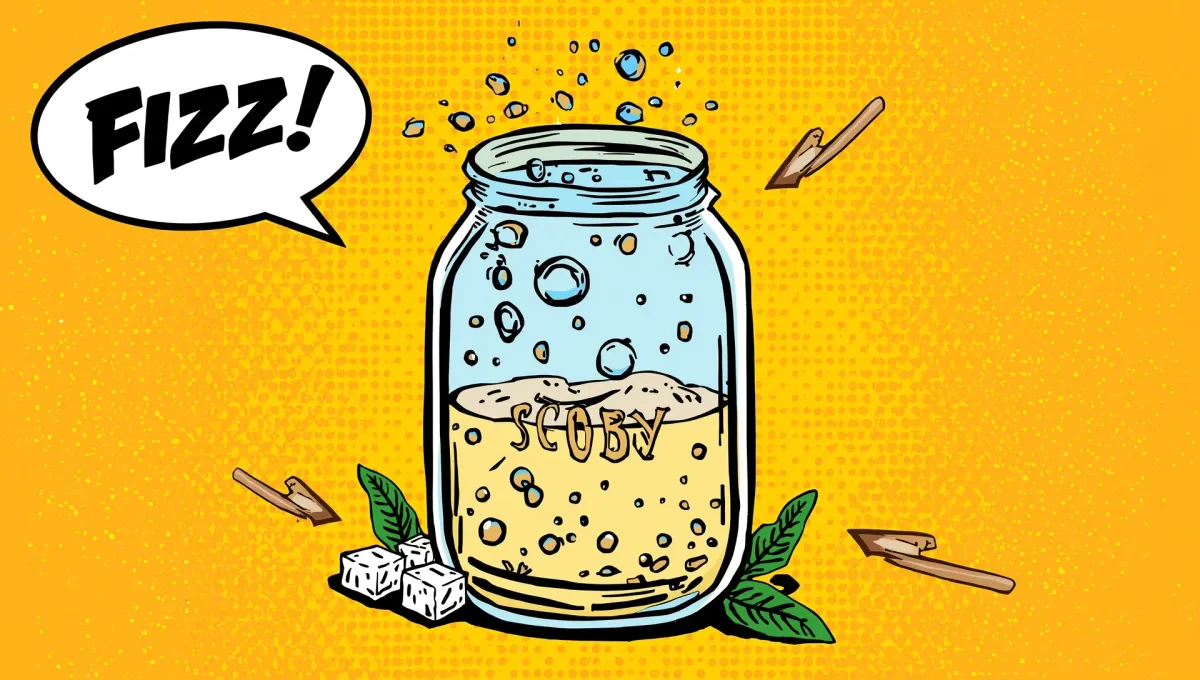
The SCOBY is the heart of kombucha brewing. It’s a rubbery, pancake-shaped culture that floats on top of the tea during fermentation. Despite its unusual appearance, the SCOBY is what transforms ordinary sweet tea into probiotic-rich kombucha.
Fun fact: SCOBY stands for Symbiotic Culture of Bacteria and Yeast. At Scoby Doo, we’ve been nurturing our mother SCOBY for years—it’s the secret behind our consistent, high-quality kombucha.
What Does Kombucha Taste Like?
First-time kombucha drinkers often ask: “What should I expect?” Here’s how to describe the taste:
- Tangy: A pleasant sourness similar to apple cider vinegar, but milder
- Slightly sweet: Residual sweetness from the tea (most sugar is consumed during fermentation)
- Fizzy: Natural carbonation gives it a refreshing effervescence
- Complex: Layers of flavor depending on the tea and added ingredients
Our Scoby Doo flavors range from the classic Original Booch to bold options like Ginger Zinger and Guava Chilli—there’s something for every palate!
Why is Kombucha Good for You?
Kombucha’s health benefits come from its unique fermentation process:
- Probiotics: Live beneficial bacteria that support gut health
- Antioxidants: From tea polyphenols that fight free radicals
- Organic acids: Including acetic acid (aids digestion) and glucuronic acid (supports detox)
- B vitamins: Naturally produced during fermentation
- Low sugar: Most sugar is consumed by the SCOBY, leaving a low-calorie drink
Kombucha in India: A Growing Trend
While kombucha originated in China, it’s rapidly gaining popularity in India. Health-conscious Indians are discovering kombucha as:
- A healthier alternative to sugary soft drinks
- A probiotic option beyond yogurt and buttermilk
- A trendy beverage at cafes and wellness stores
- A craft product supporting local brewers like Scoby Doo
At Scoby Doo, we’re proud to be one of Maharashtra’s first craft kombucha breweries, bringing authentic, small-batch kombucha to Amravati and beyond.
Kombucha vs. Other Drinks
One of the most common questions we hear is: how does kombucha compare to green tea? Since kombucha is made from tea, the two share antioxidants and L-theanine, but fermentation gives kombucha additional probiotics and organic acids. Read our full kombucha vs green tea comparison for the detailed breakdown.
| Drink | Sugar (per 250ml) | Probiotics | Calories |
|---|---|---|---|
| Kombucha | 5-8g | ✅ Yes | 30-50 |
| Cola | 27g | ❌ No | 105 |
| Fruit Juice | 24g | ❌ No | 110 |
| Energy Drink | 28g | ❌ No | 120 |
How to Start Drinking Kombucha
New to kombucha? Here’s how to introduce it to your routine:
- Start small: Begin with 100ml per day to let your gut adjust
- Choose mild flavors: Original or apple flavors are great for beginners
- Drink it cold: Kombucha tastes best chilled
- Best times: Morning for energy, before meals for digestion, or as an afternoon refresher
- Be consistent: Regular consumption yields the best gut health benefits
Quick answers
What does kombucha taste like?
Kombucha has a unique tangy, slightly sweet, and effervescent taste. It's often described as a cross between sparkling apple cider and tea. The flavor varies based on fermentation time and added ingredients - fruity flavors like apple are sweeter, while original is more tart.
Is kombucha alcoholic?
Kombucha contains trace amounts of alcohol (typically less than 0.5%) as a natural byproduct of fermentation. This is similar to the alcohol content in ripe bananas or fruit juice. It's classified as a non-alcoholic beverage in most countries.
How much kombucha should I drink per day?
For beginners, start with 100-150ml per day and gradually increase to 200-350ml daily. Listen to your body - some people drink up to 500ml daily, but it's best to start slow as the probiotics need time to adjust in your gut.
Is kombucha safe for everyone?
Kombucha is safe for most healthy adults. However, pregnant women, breastfeeding mothers, young children under 4, and people with compromised immune systems should consult a doctor first. Those with histamine intolerance should also be cautious.