How to taste kombucha, without the tasting-room theatre
A clear glass, a small pour and an opinion of your own.
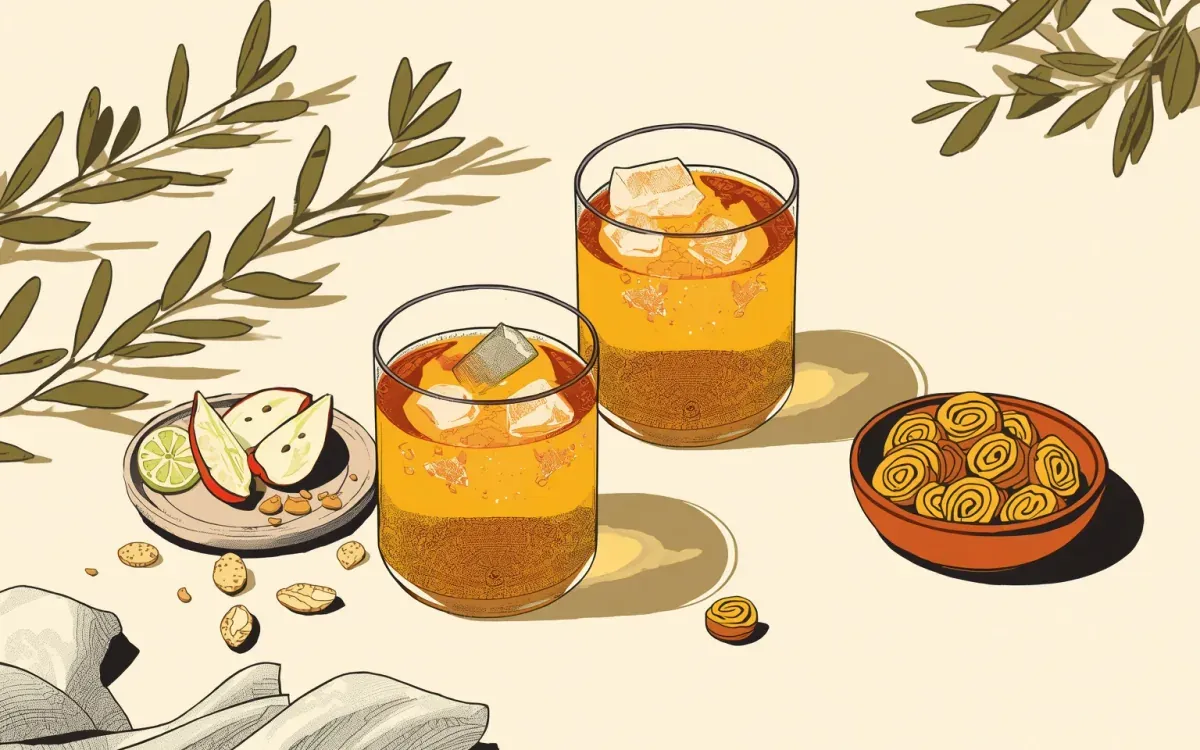
You do not need a tasting qualification to enjoy kombucha. You need a clean glass, a little curiosity and permission to say, “Not for me.” The point is to discover what you like, not to produce a paragraph about a mysterious orchard.
Kombucha is fermented tea. Tea, fermentation and any added fruit or spices contribute different things. Here is how to notice them.
Set up without the ceremony
Start with a chilled bottle stored according to its label. Check the date and seal. Keep it upright, do not shake it, and open carefully away from your face. Pour a small amount into a clean glass; leave the rest refrigerated.
Skip ice and garnishes for the first taste. They are welcome later, but melting ice changes the drink and a lime wedge supplies its own opinion. Have plain water nearby.
Look, then smell
Notice the colour and clarity without grading them. Tea and fruit can change the appearance; cloudiness or sediment alone does not prove quality, safety or the presence of probiotics.
If the bottle is damaged, leaking or has unexpected growth, do not taste it to investigate. Contact the seller. This exercise is for enjoying a sound bottle, not testing a suspect one.
Bring the glass towards your nose. Does it suggest brewed tea, apple, citrus, ginger or something gently vinegary? Use familiar words. “Smells like apple peel” is a perfectly useful note.
Follow the sip
Take a small sip and let the first fizz settle before deciding. Separate these sensations:
- Sweetness: Does it arrive immediately or sit behind the tang? Fruity aromas can suggest sweetness without telling you how much sugar is present.
- Acidity: Is the tartness gentle, bright or more assertive than you enjoy? Sourer is not automatically better.
- Tea character: Notice bitterness or a drying sensation, rather like strong tea. Drying and sour are different impressions.
- Fizz: Does it feel lively or restrained? Bubble size is not a reliable verdict on how a drink was made.
- Finish: After swallowing, what remains: fruit, tea, spice or a vinegary note? Does that balance make you want another sip?
Write a brief note: “Crisp apple, noticeable tang, gentle fizz.” Then add the important bit: “Would order again” or “Prefer something less tart.”
Compare, rather than crown a winner
If comparing flavours, use similar glasses and equally chilled samples. Start with the least assertive option, then move towards stronger fruit or spice. Sip water between them. You do not have to finish every sample.
An unflavoured kombucha helps you notice the tea base. Follow with a fruit flavour and ask what changed. Browse the flavour collection for ingredients and tasting descriptions; confirm availability rather than assuming every flavour is brewing today.
Give it a place at the table
Try a sip, a bite of food, then another sip. Does the combination feel balanced or crowded? Test a tangy brew alongside a savoury snack, or an apple-led flavour with something gently spiced. These are starting points, not pairing laws.
Enjoy ice? Add it now and compare. Your preferred serving matters more than tasting etiquette.
Keep the boundaries clear
A tasting note is not a nutrition result. Fermented does not mean sugar-free, and live cultures are not automatically proven probiotics: the ISAPP consensus explains the distinction.
Cold slows fermentation; it does not make shelf life unlimited. Follow the bottle’s instructions. TTB’s guidance explains how storage affects continued fermentation and alcohol content; its legal rules are US-specific.
Kombucha can contain caffeine and alcohol. Check suitability before sharing, especially with children or anyone pregnant or immunocompromised; WebMD’s safety section discusses these cautions. No tasting score settles them.
Ready to choose? Build a box around your preferences, or visit the FAQ to ask about your bottle.
Quick answers
Should I shake kombucha before tasting it?
No. Keep the bottle chilled and upright, then open carefully according to its instructions. Shaking a fizzy drink can send the contents out faster than intended.
Does a sour taste mean kombucha is sugar-free?
No. Acidity can make sweetness less obvious. Taste cannot tell you the sugar content; check the nutrition information for that particular flavour.
Do I need a special glass?
No. A clean, clear drinking glass is enough. Use similar glasses and serving temperatures when comparing flavours.