Kombucha vs Energy Drinks: Natural Energy vs Artificial Boost
Natural Sustained Energy vs Artificial Crash
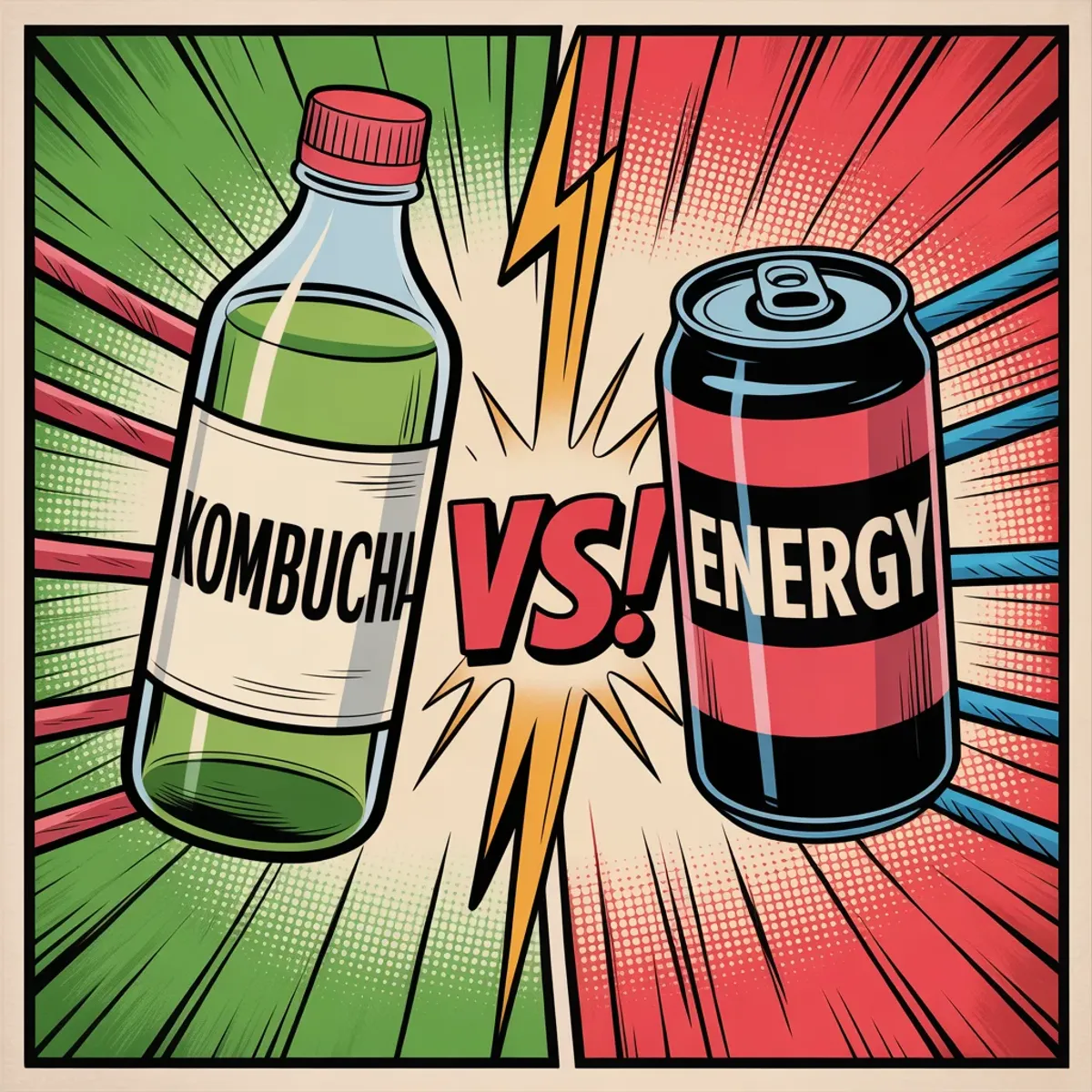
India’s energy drink market has exploded, with millions reaching for Red Bull, Monster, and similar products for a quick boost. But at what cost? Let’s compare these synthetic stimulants with kombucha’s natural energy.
The Complete Comparison Table
| Factor | Kombucha | Red Bull (250ml) | Monster (473ml) |
|---|---|---|---|
| Caffeine | 15-30mg | 80mg | 160mg |
| Sugar | 4-8g | 27g | 54g |
| Calories | 30-50 | 110 | 210 |
| Artificial Ingredients | None | Multiple | Multiple |
| Probiotics | Billions of CFUs | None | None |
| Antioxidants | From tea polyphenols | None | None |
| Energy Type | Sustained, calm | Spike then crash | Spike then crash |
| B Vitamins | Natural (fermentation) | Synthetic added | Synthetic added |
| Heart-safe | Yes | Concerns raised | Concerns raised |
Natural vs Artificial Energy: Understanding the Difference
How Energy Drinks Work
Energy drinks create a forced stimulation of your nervous system through:
- High-dose caffeine: 80-300mg per serving (equivalent to 1-4 cups of coffee)
- Taurine: An amino acid that enhances caffeine’s effects
- Guarana: Contains additional hidden caffeine
- Massive sugar: Creates blood sugar spike
- Synthetic B vitamins: Megadoses that your body mostly excretes
This cocktail forces your body into an artificial high, inevitably followed by a crash when the effects wear off.
How Kombucha Provides Energy
Kombucha works with your body, not against it:
- Gentle caffeine from tea: 15-30mg, enough for alertness without jitters
- L-theanine: Amino acid in tea that promotes calm focus
- Natural B vitamins: Created during fermentation, in bioavailable forms
- Gut health support: Healthy gut = better nutrient absorption = more natural energy
- Low sugar: No blood sugar rollercoaster
Energy Drink Timeline
- 0-30 min: Caffeine + sugar kick in
- 30-60 min: Peak artificial energy
- 1-2 hours: Sugar crash begins
- 2-4 hours: Caffeine wearing off, fatigue
- 4+ hours: Full crash, need another drink
Kombucha Timeline
- 0-30 min: Gentle absorption begins
- 30-90 min: Calm, focused energy
- 2-4 hours: Sustained alertness
- 4-6 hours: Gradual, natural tapering
- No crash: Smooth return to baseline
The Sugar Problem
Let’s talk about the elephant in the room: sugar content.
- Red Bull (250ml): 27g sugar = 6.75 teaspoons
- Monster (473ml): 54g sugar = 13.5 teaspoons
- Kombucha (250ml): 4-8g sugar = 1-2 teaspoons
Energy drinks deliver massive sugar loads that spike your blood glucose. This causes insulin surges, followed by crashes that leave you more tired than before. For a country where 77+ million people have diabetes, this is particularly concerning.
Kombucha’s sugar is mostly consumed during fermentation. What remains provides just enough sweetness without the metabolic chaos.
The Sugar Math Over a Year
If you have one energy drink daily:
- Red Bull: 9.8kg of sugar/year
- Monster: 19.7kg of sugar/year
- Kombucha: 1.8-2.9kg of sugar/year
Switching to kombucha could eliminate 7-18kg of sugar from your yearly intake!
Caffeine Content: Finding the Sweet Spot
Caffeine isn’t inherently bad - in moderate amounts, it enhances focus and alertness. The problem is dosage:
- Optimal daily caffeine: 200-400mg total (spread throughout the day)
- Single Red Bull: 80mg (OK if it’s your only caffeine)
- Single Monster: 160mg (already borderline for one serving)
- Multiple energy drinks: Easily exceeds safe limits
Kombucha’s 15-30mg per serving means you can enjoy it multiple times daily without worrying about caffeine overload. You stay alert without the jitters, anxiety, or sleep disruption that comes with high-caffeine energy drinks.
Health Effects: Short-Term vs Long-Term
Energy Drinks: Known Concerns
- Heart palpitations: Documented in medical literature
- Blood pressure spikes: Especially concerning for Indians with hypertension
- Anxiety and nervousness: From caffeine overdose
- Sleep disruption: Long half-life of high caffeine doses
- Dental problems: High acidity + high sugar
- Weight gain: From excessive sugar and empty calories
- Dependency: Body adapts, requiring more for the same effect
Kombucha: Documented Benefits
- Improved digestion: From probiotics and organic acids
- Antioxidant protection: From tea polyphenols
- Better immune function: Gut health supports immunity
- Stable energy: No crashes or dependency
- Liver support: Studies show protective effects
- Mental clarity: L-theanine promotes calm focus
Who Should Avoid Energy Drinks Entirely?
- Anyone with heart conditions
- People with anxiety disorders
- Those with high blood pressure
- Pregnant or breastfeeding women
- Children and teenagers
- Anyone caffeine-sensitive
- People with sleep issues
If you fall into these categories but still want a gentle energy lift, kombucha is a far safer option. Its moderate caffeine and health benefits make it accessible to most people. (Though some should still consult their doctor.)
For Athletes: Which is Better?
Many athletes reach for energy drinks before workouts. Here’s why kombucha is the smarter choice:
- Sustained performance: No mid-workout crash
- Better hydration: Lower sugar means better fluid absorption
- Recovery support: Probiotics reduce inflammation
- No heart stress: Gentle caffeine is safer during exercise
- Electrolyte-friendly: Can be combined with electrolyte powders
Making the Switch: A Practical Guide
- Start with one swap: Replace your afternoon energy drink with kombucha
- Time it right: Have kombucha in morning or early afternoon for best results
- Give it a week: Your body needs time to adjust to natural energy
- Notice the difference: Track your energy levels, sleep quality, and mood
- Reduce gradually: If heavily dependent on energy drinks, taper off slowly
Quick answers
Is kombucha better than energy drinks?
Yes, kombucha is significantly healthier than energy drinks. While energy drinks contain 80-300mg caffeine, artificial ingredients, and 27-54g sugar per can, kombucha has only 15-30mg natural caffeine, no artificial ingredients, and just 4-8g sugar. Plus kombucha provides probiotics and antioxidants.
Can kombucha give you energy?
Yes, kombucha provides gentle, sustained energy through natural caffeine from tea (15-30mg), B vitamins produced during fermentation, and improved gut health which enhances nutrient absorption. Unlike energy drinks, kombucha won't cause jitters or crashes.
How much caffeine is in kombucha vs Red Bull?
Kombucha contains about 15-30mg caffeine per serving from its tea base, while Red Bull contains 80mg per 250ml can. Kombucha's caffeine comes with L-theanine which provides calm, focused energy without the jittery feeling.
Why do I crash after energy drinks but not kombucha?
Energy drinks cause crashes due to high sugar (27-54g) and high caffeine (80-300mg) creating spikes followed by drops in blood sugar and energy. Kombucha has minimal sugar (4-8g) and moderate caffeine (15-30mg) with L-theanine, providing steady energy without the rollercoaster effect.