Kombucha side effects: when to stop and what to ask
Discomfort is not a detox badge.
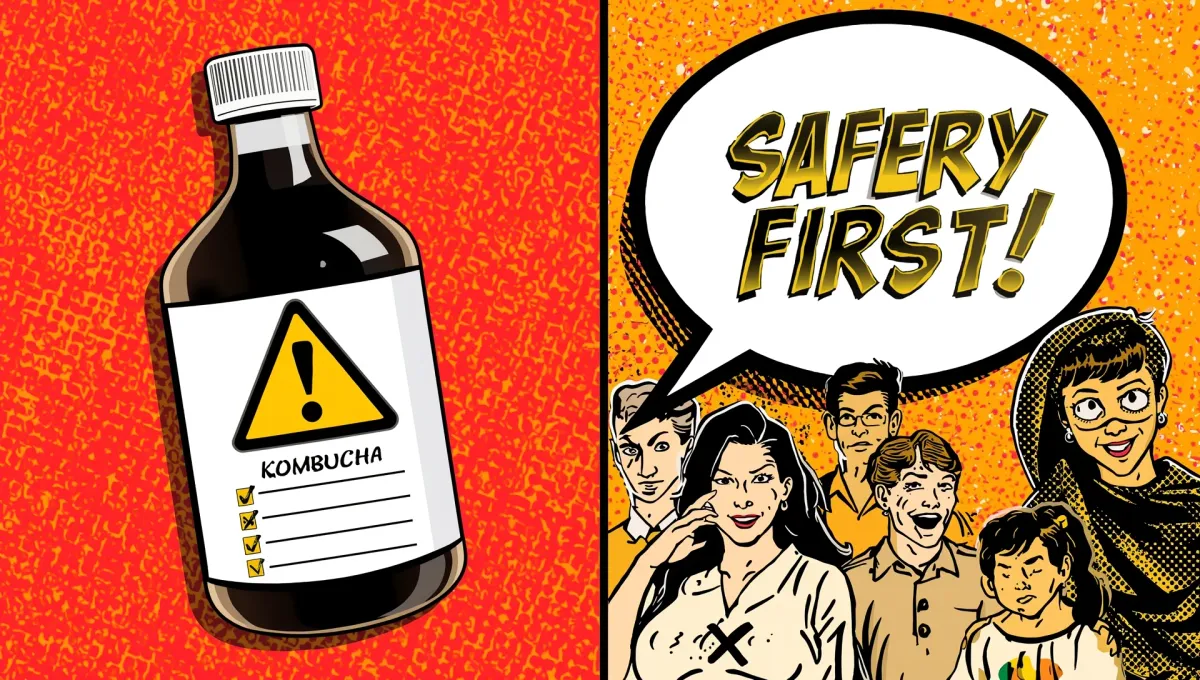
Kombucha is not suitable for everyone, and feeling unwell after drinking it is not something to push through for promised benefits. A fermented drink can raise several separate questions: how it affects you, what is in it, and whether it was made and stored appropriately. None can be answered by “craft” on the label.
Do not explain away symptoms
Bloating, nausea, heartburn or a headache can have many causes. Timing alone does not prove kombucha caused a symptom, but it also does not justify calling that symptom “detox”, “purging” or your gut learning to accept probiotics.
Kombucha is acidic and carbonated, which may not suit someone who finds those drinks uncomfortable. It can also contain caffeine. MedlinePlus describes caffeine-related effects including sleep disturbance, anxiety, fast heart rate and stomach discomfort, with sensitivity varying between people.
If a drink makes you feel unwell, stop drinking it. Ask a healthcare professional about persistent or concerning symptoms rather than following a schedule to increase your intake. Severe symptoms, including difficulty breathing, fainting or severe abdominal pain, need urgent medical attention—not a smaller pour or a WhatsApp conversation with us.
When personal advice matters
Discuss the actual product before choosing it if you are pregnant or breastfeeding, have a compromised immune system, have a relevant medical condition, take medicines, or are considering it for a child.
The NCCIH overview of probiotic safety explains why serious illness or immune compromise can change the risks of live-microorganism products. That does not identify the organisms in a particular kombucha or provide medical clearance for anyone else.
Do not self-diagnose a medicine interaction from an online list. A pharmacist or clinician needs the product information and your actual medicines. There is separate discussion of pregnancy and breastfeeding and diabetes-related questions.
Alcohol avoidance is not a minor footnote
Fermentation can produce alcohol. The BCCDC’s kombucha assessment identifies concerns for people avoiding alcohol for medical, recovery, personal, religious or occupational reasons. It also documents why storage and labelling matter.
Do not assume a commercial bottle is alcohol-free or suitable before driving. If complete avoidance matters, do not rely on a category average or a comparison with fruit. Scoby Doo has no measured alcohol figure presented in this article.
A product problem is a different question
Check the label, seal and storage history. For our refrigerated kombucha, a warm delivery, damaged container or unexpected growth is a reason not to drink it and to contact us. A little sediment can occur in an unfiltered product, but cannot prove safety.
Do not taste a suspect bottle to investigate. Keep its batch and date details available for the seller or healthcare professional. Our storage guide explains handling without inventing a universal shelf life.
What we can honestly answer
We can explain ingredients, how our kombucha is made and what the current bottle label says. We cannot diagnose symptoms, promise liver protection or prescribe a daily intake. Use the label checklist to prepare useful questions. Enjoyment is a valid reason to choose a drink; a health concern is a valid reason to leave it alone.
Quick answers
Are headaches or bloating proof that kombucha is working?
No. Symptoms are not evidence of detoxification or a beneficial adjustment. Stop drinking it if it makes you feel unwell and seek medical advice for persistent, severe or concerning symptoms.
Who should seek advice before choosing kombucha?
People who are pregnant, breastfeeding, immunocompromised, managing a relevant health condition or taking medicines, and parents considering it for a child, should discuss suitability with a qualified healthcare professional.
Can smell or fizz prove a bottle is safe?
No. Follow the label and consider the seal, date and storage history. Do not taste-test a questionable bottle. Contact the seller if it arrives warm or damaged, and seek medical care if you feel unwell.