Gut Health & The Indian Diet: Traditional Wisdom Meets Modern Probiotics
Traditional Wisdom Meets Modern Probiotics
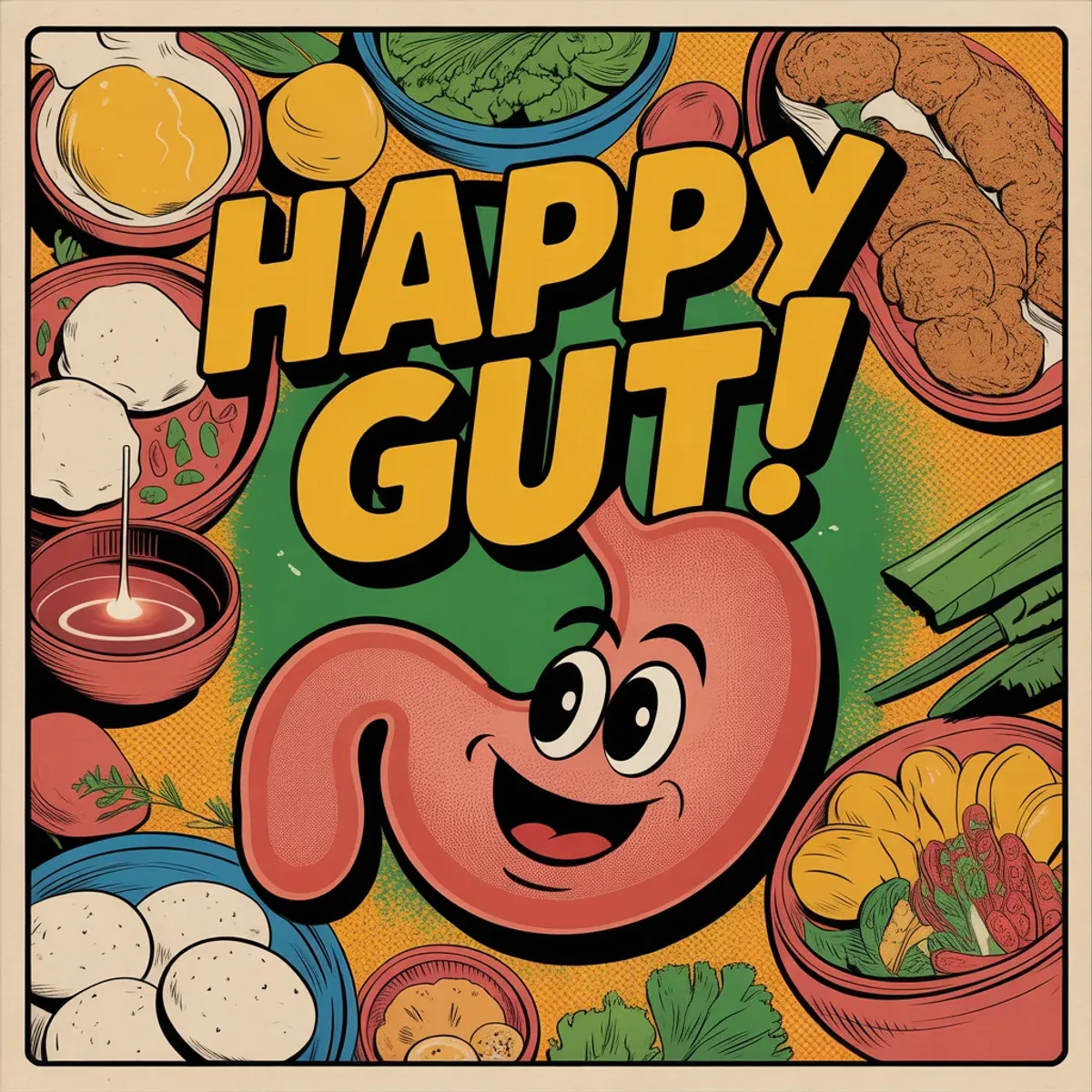
India has always understood the importance of gut health—our grandmothers knew it intuitively. From morning dahi to evening chaas, from achaar to idli, traditional Indian cuisine is a treasure trove of gut-friendly foods. But modern life has disrupted this wisdom. Here’s how to reclaim it.
70%
of Indians report experiencing digestive issues regularly
Why Gut Health Matters
Your gut is far more than a digestion machine. It’s often called your “second brain” because it:
- Houses 70% of your immune system
- Produces 90% of your serotonin (the happiness hormone)
- Contains trillions of bacteria that influence every aspect of health
- Affects your mood, energy, skin, and weight
- Communicates directly with your brain via the gut-brain axis
When your gut is unhealthy, everything suffers. When it thrives, so do you.
Traditional Indian Foods That Support Gut Health
Our ancestors didn’t have microscopes or lab tests, but they understood fermentation and digestion deeply. Here are the traditional gut heroes of Indian cuisine:
Dahi (Yogurt)
The king of Indian probiotics. Homemade dahi contains live Lactobacillus cultures that populate your gut with beneficial bacteria. Our grandmothers knew to set fresh dahi daily—now science confirms their wisdom.
Pro tip: Homemade dahi is far more probiotic-rich than store-bought pasteurized versions.
Chaas / Buttermilk
The perfect digestive drink. Chaas is lighter than dahi and easier to digest, making it ideal after heavy meals. The addition of cumin (jeera), curry leaves, and ginger enhances its digestive properties. Learn more in our kombucha vs. chaas comparison.
Ayurvedic wisdom: Chaas is considered sattvic (pure) and balances pitta dosha.
Idli, Dosa & Appam
South India’s fermented treasures. The overnight fermentation of rice and urad dal creates natural probiotics while breaking down anti-nutrients. This makes nutrients more bioavailable and the food easier to digest.
Key insight: The longer the fermentation (12-24 hours), the more probiotic-rich the batter.
Traditional Achaar (Pickle)
When made the traditional way (with salt, mustard oil, and sun-drying—NOT vinegar), Indian pickles are lacto-fermented. This creates beneficial bacteria similar to Korean kimchi or German sauerkraut.
Warning: Most commercial pickles use vinegar, which kills probiotics. Look for traditional, oil-based, naturally fermented varieties.
Kanji
North India’s fermented carrot drink, traditionally made during Holi. This tangy, purple beverage is rich in probiotics and antioxidants. It’s like kombucha’s Indian cousin! Read more about India’s fermented food traditions.
Dhokla
Gujarat’s fermented chickpea cake. The fermentation makes it light, fluffy, and easier to digest while adding beneficial bacteria.
Gundruk & Sinki (Northeast)
Fermented leafy greens from the Northeast. These traditional foods are among the most probiotic-rich in Indian cuisine but are often overlooked.
The Problem with Modern Indian Diet
While our traditions are rich in gut-healthy foods, modern Indian eating habits often work against digestive health:
Gut Health Enemies in Modern India
- Excess refined oil: Deep-frying at every meal disrupts gut bacteria
- Processed foods: Maggi, packaged snacks, ready-to-eat meals lack fiber and contain additives
- Refined sugar: Feeds harmful bacteria and yeast in the gut
- Maida (refined flour): Paratha, naan, biscuits—devoid of fiber
- Antibiotic overuse: Kills good bacteria along with bad
- Stress: Chronic stress damages gut lining
- Irregular eating: Late dinners, skipped breakfasts disrupt gut rhythm
- Low water intake: Dehydration slows digestion
- Sedentary lifestyle: Movement helps gut motility
The “Modern Indian Plate” Problem
Think about a typical urban Indian’s day:
- Breakfast: Bread-butter or biscuits with chai (refined carbs, sugar)
- Mid-morning: Samosa or vada pav (deep-fried maida)
- Lunch: Roti-sabzi from canteen (often reheated, oil-heavy)
- Evening: Namkeen or packaged snacks (processed, high sodium)
- Dinner: Late, heavy meal (dal-rice at 10 PM)
This pattern is a recipe for digestive disaster. No wonder acidity, bloating, and constipation are so common!
Understanding Probiotics and Prebiotics
To improve gut health, you need both:
Probiotics: The Good Bacteria
Probiotics are live beneficial bacteria that, when consumed, colonize your gut and provide health benefits. They come from:
- Fermented dairy (dahi, chaas)
- Fermented vegetables (achaar, kimchi)
- Fermented drinks (kombucha, kanji)
- Fermented grains (idli, dosa batter)
Prebiotics: Food for Good Bacteria
Prebiotics are types of fiber that feed your good bacteria. Indian sources include:
- Garlic (lahsun)
- Onion (pyaaz)
- Banana (kela) - especially raw/green
- Whole grains - jowar, bajra, ragi
- Legumes - rajma, chana, moong
- Chicory root - found in some Indian coffee blends
The Synbiotic Effect
When you combine probiotics + prebiotics, they work synergistically. This is called a “synbiotic” effect. Example: Dahi (probiotic) + banana (prebiotic) = gut health power combo!
How to Improve Your Gut Health: Indian Edition
Here’s a practical, India-specific guide to healing your gut:
1. Bring Back Traditional Fermented Foods
- Set dahi at home instead of buying packaged
- Have chaas after lunch (skip the cola)
- Include idli/dosa 2-3 times a week
- Make or buy traditionally fermented achaar
- Try kanji during winter months
2. Reduce Gut-Damaging Foods
- Cut down on deep-fried foods (samosa, pakora, puri)
- Minimize refined sugar and maida
- Limit processed and packaged foods
- Reduce caffeine if you’re sensitive
- Avoid late-night heavy meals
3. Add Kombucha to Your Routine
Kombucha bridges the gap between traditional wisdom and modern convenience. It’s:
- Rich in diverse probiotic strains
- Contains organic acids that support digestion
- Ready to drink (no preparation needed)
- Refreshing alternative to sodas
- Easy to include in daily routine
Learn more about how kombucha supports gut health.
4. Increase Fiber Intake
- Switch to whole grains (brown rice, whole wheat, millets)
- Eat more sabzi with every meal
- Include salad (kachumbar) regularly
- Snack on fruits instead of namkeen
- Add sprouts to your diet
5. Stay Hydrated
- Drink 8-10 glasses of water daily
- Start your day with warm water
- Include hydrating foods (cucumber, watermelon, coconut water)
- Limit dehydrating drinks (alcohol, excess caffeine)
6. Manage Stress
The gut-brain axis means stress directly impacts digestion. Try:
- Pranayama (breathing exercises)
- Meditation (even 10 minutes helps)
- Regular physical activity
- Adequate sleep (7-8 hours)
- Digital detox periods
Where Kombucha Fits in the Indian Diet
Kombucha isn’t replacing your dahi or chaas—it’s adding to your probiotic arsenal. Here’s how to incorporate it:
- Morning (empty stomach): Kickstart digestion with kombucha
- Pre-meal: 30 minutes before lunch or dinner
- Evening refreshment: Replace chai/soda with kombucha
- Post-workout: Rehydrate with electrolytes and probiotics
- Party drink: Sophisticated alternative to alcohol
Find your ideal timing in our guide to the best time to drink kombucha.
Combining Traditional Wisdom with Modern Probiotics
The best approach to gut health combines the old and new:
The Balanced Approach
Traditional Modern Homemade dahi Quality probiotic supplements (when needed) Chaas with meals Kombucha for variety Idli/dosa fermentation Understanding of bacterial strains Traditional achaar Awareness of gut microbiome Seasonal eating Tracking how foods affect you Ayurvedic principles Science-backed nutrition
Sample Gut-Healthy Indian Meal Plans
Gut-Healing Day: Option 1
Morning (6-7 AM): Warm water with lemon, then 100ml Scoby Doo kombucha
Breakfast (8 AM): 2 idlis with coconut chutney and sambar
Mid-morning: Seasonal fruit (papaya is excellent for digestion)
Lunch (12-1 PM): Brown rice, dal, seasonal sabzi, small bowl of dahi, kachumbar salad
Evening (4 PM): Chaas with roasted jeera
Dinner (7 PM): Roti (whole wheat), mixed vegetable curry, small achaar serving
Before bed: Warm turmeric milk (haldi doodh)
Gut-Healing Day: Option 2
Morning: 150ml Scoby Doo ginger kombucha
Breakfast: Moong dal cheela with green chutney
Mid-morning: Handful of soaked almonds + banana
Lunch: Khichdi (moong dal + rice), ghee, pickle, raita
Evening: Sprout chaat with lime
Dinner: Jowar roti, palak paneer, salad
Post-dinner: Short walk (100 steps minimum)
Gut-Healing Day: Option 3 (South Indian)
Morning: Kanji or Scoby Doo kombucha
Breakfast: Dosa with sambar and coconut chutney
Mid-morning: Tender coconut water
Lunch: Rice, rasam, poriyal (vegetable stir-fry), curd rice to finish
Evening: Filter coffee (in moderation) with murukku
Dinner: Appam with vegetable stew
Signs Your Gut Health is Improving
When you follow a gut-friendly diet, you’ll notice:
- Regular, easy bowel movements
- Less bloating and gas
- More energy throughout the day
- Better sleep
- Improved mood and mental clarity
- Clearer skin
- Fewer cravings for sugar and junk food
- Stronger immunity (fewer colds)
Common Indian Gut Health Mistakes
Avoid these common errors:
- Thinking “healthy” packaged foods are gut-friendly - Most aren’t
- Skipping meals then overeating - Strains digestion
- Eating dahi/chaas with dinner - Ayurveda advises against this at night
- Too much raw food - Indian digestion often prefers cooked foods
- Ignoring food intolerances - Dairy, gluten issues are common
- Self-prescribing antibiotics - Destroys gut bacteria
- Not chewing food properly - Digestion starts in the mouth!
Related Articles
Dive deeper into gut health and nutrition:
- Kombucha for Gut Health: Your Complete Probiotic Guide
- Fermented Foods in India: Rich Tradition Meets Modern Kombucha
- Kombucha vs. Chaas: Indian Probiotic Drinks Compared
- Best Time to Drink Kombucha
- Kombucha for Immunity
The Bottom Line
India’s traditional diet is inherently gut-friendly—we just need to return to our roots while embracing helpful modern additions like kombucha. Your daadi’s dahi and your morning kombucha can coexist beautifully.
Start small: add one probiotic food per day, reduce one gut-damaging food per week, and be patient. Your gut took years to reach its current state; give it time to heal.
The journey to better gut health is also a journey to better overall health—more energy, clearer thinking, stronger immunity, and a happier you. And it’s a journey that’s deeply rooted in Indian wisdom.