Why Craft Kombucha? What Small-Batch Really Tells You
Choose the maker and the flavour—not an unsupported halo
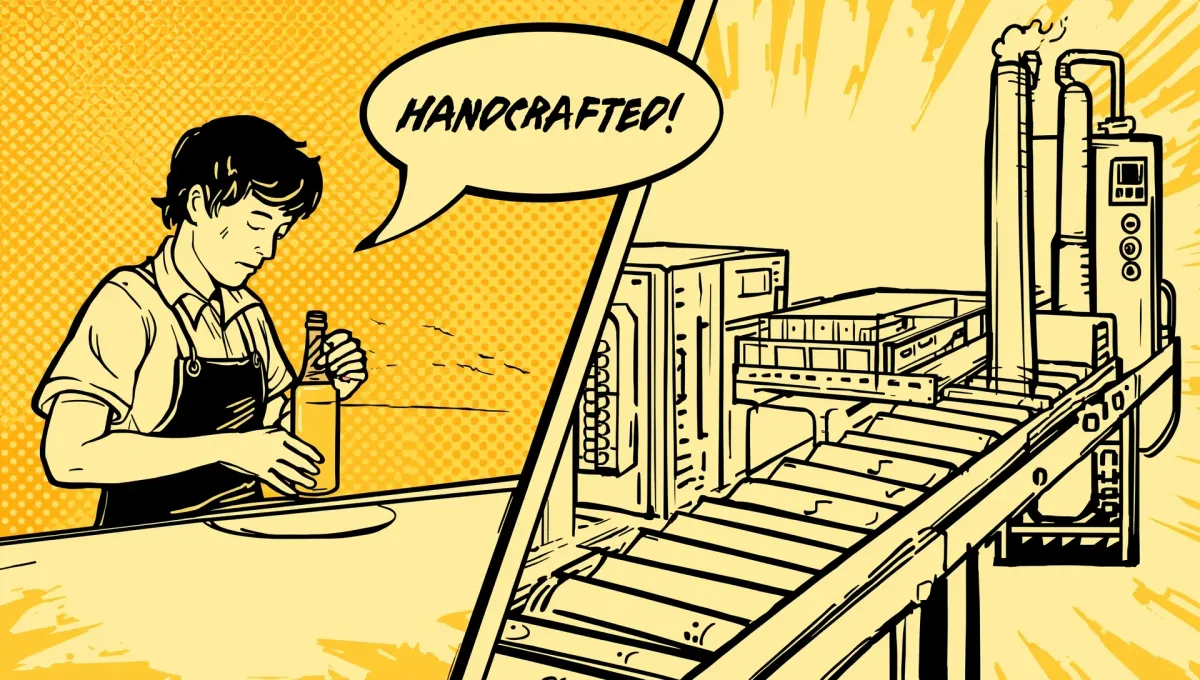
Craft kombucha can offer a close connection to a producer, a place and a particular flavour style. Those are good reasons to be curious. Small-batch is not, however, a laboratory result or a guarantee that a drink is better for you.
At Scoby Doo, the story is specific: Ashwin Alsi founded the business in Amravati in 2016, and the kombucha is brewed by hand in small batches. We do not need an invented vessel size, a secret-culture health claim or a comparison with unnamed competitors to explain that identity.
What you might value about a smaller producer
A local maker gives you someone to ask about ingredients, flavour availability and handling. You might enjoy knowing where a drink is brewed, finding a tea-led style that suits you or following a seasonal flavour when it is available.
When you buy Scoby Doo, you support a business based in Amravati, Maharashtra. That does not automatically prove a lower carbon footprint, a shorter production-to-delivery interval or superior quality control. Those are separate questions requiring information about the actual operation.
Taste is personal too. “Craft tastes better” is an opinion, not a fact that applies to everyone.
Compare the bottle, not a stereotype
| Claim or feature | A better question |
|---|---|
| Small-batch | What does the producer mean, and what information is available about the product? |
| Real fruit | Which fruit is listed, and does the ingredient list fit your preferences? |
| Unpasteurised | How must it be stored, and is that suitable for you? |
| Low sugar | What does the current nutrition information actually show? |
| Live cultures | What evidence supports any specific probiotic claim? |
| Local | Can the producer serve your address with appropriate handling? |
The ISAPP consensus on fermented foods distinguishes fermented foods and live cultures from demonstrated probiotic properties. Small scale does not establish more beneficial organisms, and later heat treatment does not erase the fact that fermentation happened.
Use the label-reading checklist to inspect details rather than assuming a supermarket bottle is inferior or a handwritten label is safer.
Process care matters at every scale
Small and large producers both need suitable ingredients, hygiene, fermentation controls and appropriate storage. Tasting can help assess flavour, but cannot measure every relevant property or establish overall safety.
The BCCDC fermented-food safety guidance describes critical control points and provides a Kombucha and Jun review. Its message is about managing a process, not declaring one production scale the winner.
For a general explanation, read how kombucha is made. Longer fermentation does not automatically mean a better product, and refrigeration slows rather than completely stops fermentation.
What the current Scoby Doo range offers
Original Booch is the tea-led base, made with filtered water, black and green tea, cane sugar and live culture. Apple Pop adds pressed red apple. These are the two flavours listed as available at the September 2026 review.
Ginger Zinger and Guava Chilli are on hiatus; Tropical Pine is seasonal. The current flavour catalogue is the place to check their ingredients and status. Seasonal availability can be part of a maker’s approach, but it still means you need to ask about stock.
Is it worth the price to you?
The listed MRP is ₹220 per 275 ml bottle. Decide whether the flavour, quantity, handling requirements and local-producer connection make sense for your budget. Do not treat the price as payment for an unverified health outcome.
Use the contact page for a WhatsApp enquiry confirming stock, your delivery area, charges and the final total. A clear answer about what is available—and what is not known—is more useful than a sweeping promise about craft being best.
Quick answers
Is small-batch kombucha automatically healthier?
No. Batch size does not establish lower sugar, more probiotics or a health benefit. Those claims need relevant product information and evidence, regardless of who makes the drink.
What is worth checking when choosing craft kombucha?
Look for clear ingredients, batch identification, dates, storage instructions and a producer who answers specific questions. Taste and price are preferences to compare, not proof of safety or nutritional superiority.
How much is a Scoby Doo bottle?
The listed MRP is ₹220 for 275 ml. Use WhatsApp to confirm the current stock, delivery area, charges and final total rather than assuming a website selection is a completed order.