How Kombucha Is Made: From Sweet Tea to Bottled Fizz
Tea, culture, flavour and fizz—without a made-up stopwatch
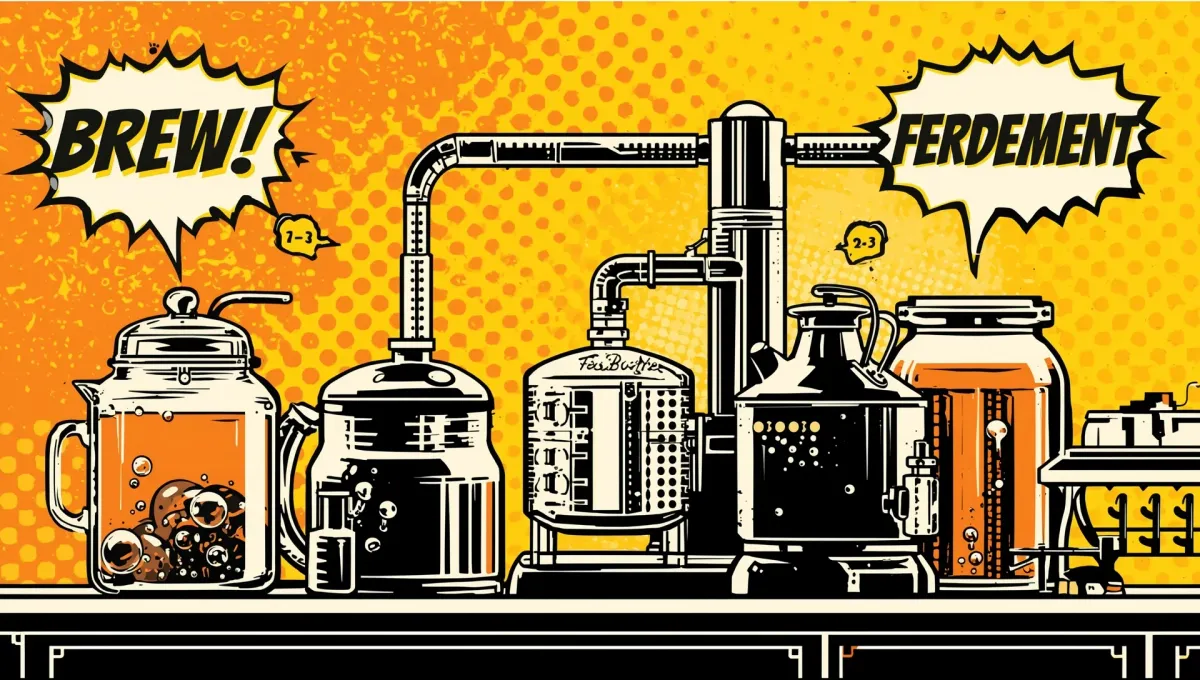
Making kombucha is part science, part sensory craft. Sweetened tea becomes a tangy drink through the activity of bacteria and yeasts. Flavouring and bottling then shape the final pour.
This is a general explanation of the process, not Scoby Doo’s production specification or a complete home-brewing recipe. We do not have a verified batch timetable, vessel size or laboratory profile to publish here.
1. Start with sweet tea
The basic ingredients are tea, water, sugar and a kombucha culture. Scoby Doo’s Original Booch lists filtered water, black and green tea, cane sugar and live kombucha culture. There is no need to add an organic-certification claim to describe those ingredients.
Tea contributes the base flavour. Sugar is dissolved into the tea to provide material the microorganisms can use. Calling it “food for the culture” explains its role, but does not mean it all disappears before you drink the kombucha.
2. Cool, then introduce the culture
The tea is cooled before the culture is introduced. Mature starter liquid brings microorganisms and acidity into the new mixture. Clean equipment, suitable ingredients and managed conditions matter throughout; adding starter does not make contamination impossible.
The rubbery layer often pictured on a brewing jar is the pellicle. It is not the entire microbial community. Our SCOBY explainer separates that visible layer from the organisms in the liquid.
3. Let fermentation change the tea
Yeasts can convert sugars into ethanol and carbon dioxide. Acetic acid bacteria can use ethanol to produce acetic acid in the presence of oxygen. The balance of these activities helps develop kombucha’s characteristic tang and aroma.
The organisms and their activity vary between cultures. The ISAPP consensus on fermented foods describes how microbial communities and conditions influence food fermentation, including the role of acetic acid bacteria in kombucha.
A longer wait is not automatically better. Neither sourness nor bubbles demonstrate that sugar or alcohol has reached a particular level. Appropriate process controls and testing answer different questions from tasting.
4. Choose the flavour direction
Original Booch is the tea-led base, with nothing added after fermentation. Apple Pop adds pressed red apple for a crisp fruit character. These are the two flavours listed as available at our September 2026 review.
Ginger Zinger and Guava Chilli are on hiatus; Tropical Pine is seasonal. Browse the current flavour catalogue for ingredients and status rather than treating every historical flavour as available.
Fruit can contribute both flavour and sugars. A fruit-led drink may taste sweeter, but your palate cannot measure its sugar content.
5. Develop fizz and manage the bottle
In bottle-conditioned kombucha, carbon dioxide produced by fermentation is retained in the sealed bottle. This creates fizz, but also means pressure needs managing. It is not a process to copy from a short article without a complete, safety-reviewed method.
The BCCDC’s fermented-food safety guidance includes a Kombucha and Jun review covering preparation, hazards and control points. Those controls are more important than a promised number of brewing days.
6. Refrigerate and follow the label
Cold storage slows fermentation; it does not stop every change. The US TTB’s kombucha FAQs explain why alcohol can develop after bottling and why it needs valid measurement. Their legal thresholds apply to the United States, not automatically to India.
For the bottle in your fridge, follow its dates and storage instructions. Our label-reading guide covers what to check. Fermentation explains the drink’s transformation—not a guaranteed nutrient content, probiotic dose or health benefit.
Quick answers
Why is sugar used to make kombucha?
Sugar supplies fermentable material for the culture. Fermentation uses some of it, but sugar remains in the finished drink. A recipe or fermentation duration cannot tell you the final sugar content.
How long does a Scoby Doo batch take?
We do not have a verified fixed production timeline to publish here. Fermentation depends on the culture, ingredients and conditions, and a calendar alone does not establish that a batch is ready.
Does refrigeration stop fermentation?
Refrigeration slows fermentation but does not stop every change. Follow the bottle's storage and date instructions; chilling is not a guarantee of zero alcohol or unlimited shelf life.