Fermented Drinks Comparison India: Kombucha vs Kanji, Toddy, Rice Beer, Lassi
Kombucha, Kanji, Toddy, Rice Beer & Lassi Compared
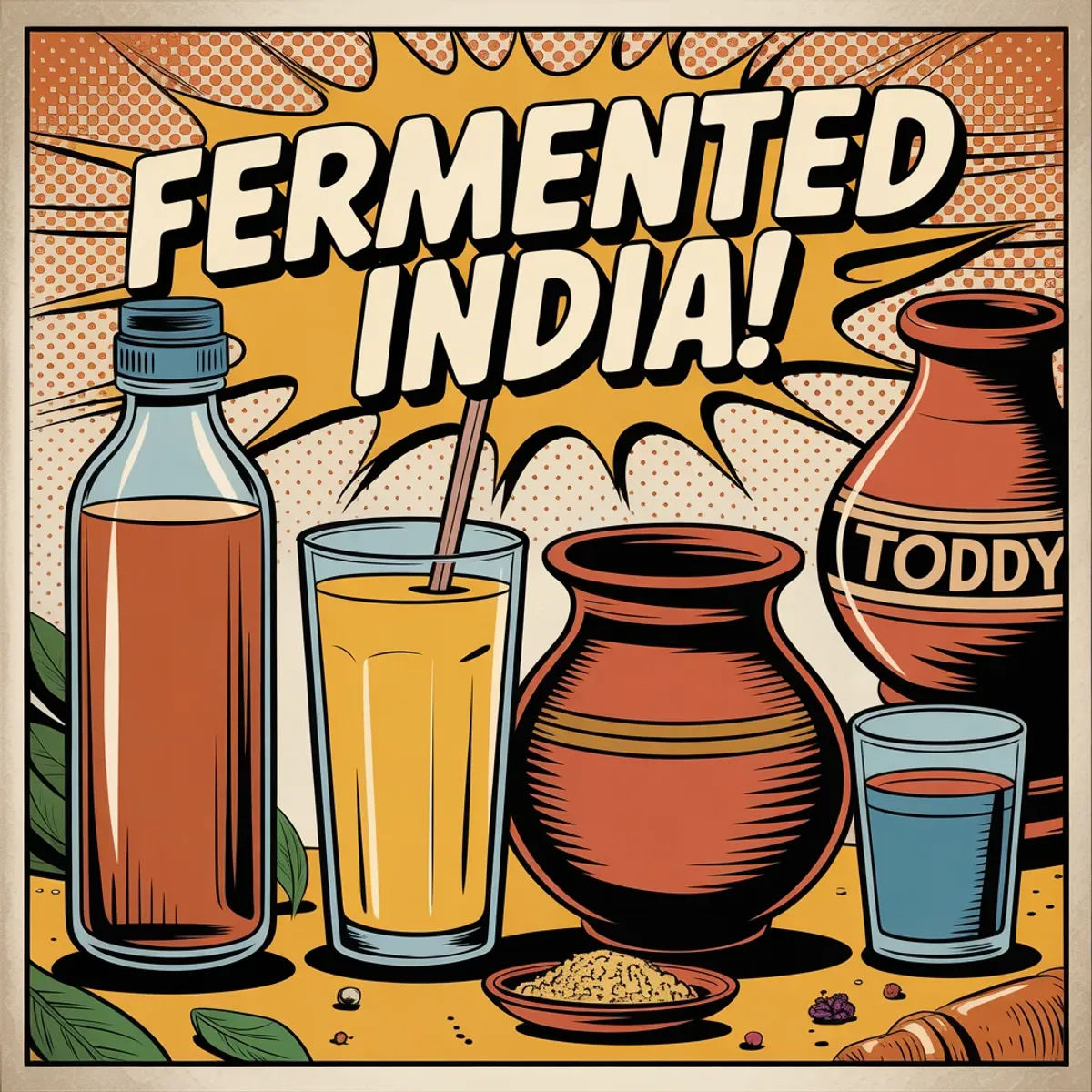
India has one of the richest traditions of fermented beverages in the world. From the purple kanji of Punjab to the palm toddy of Kerala, fermentation is woven into our cultural fabric. Now kombucha joins this illustrious family. Let’s explore how these drinks compare.
India’s Fermented Drink Heritage
Long before “probiotics” became a buzzword, Indian communities knew that fermented drinks supported health. Each region developed its own traditional beverages based on local ingredients and climate:
- North India: Kanji, lassi, chaas
- South India: Toddy (kallu), neer more
- Northeast India: Rice beer (handia, chang, apong)
- West India: Sol kadhi, toddy
- Pan-India (now): Kombucha
The Complete Comparison Table
| Factor | Kombucha | Kanji | Toddy | Rice Beer | Lassi |
|---|---|---|---|---|---|
| Base | Tea + sugar | Carrots/beets + water | Palm sap | Rice | Yogurt |
| Region | Global/All India | Punjab, UP, Delhi | Kerala, Goa, coastal | Northeast | Pan-India |
| Alcohol | <0.5% (negligible) | <1% | 4-8% | 4-6% | 0% |
| Probiotics | Bacteria + yeasts | Lactobacillus | Wild yeasts | Varied yeasts | Lactobacillus |
| Dairy-free | Yes | Yes | Yes | Yes | No |
| Antioxidants | High (tea) | Moderate (beets) | Low | Low | Low |
| Fizzy | Yes | Slightly | Fresh: slightly | No | No |
| Seasonality | Year-round | Holi season | Year-round (regional) | Festivals | Year-round |
| Ready-to-drink | Commercial available | Usually homemade | Fresh only | Usually homemade | Commercial available |
| Shelf life | 2-3 months (fridge) | 1-2 weeks | 1-2 days | 1-2 weeks | 2-3 days |
Deep Dive: Each Fermented Drink
Kombucha
Origins: China/Russia, now global (including India)
What it is: Fermented sweetened tea using a SCOBY (Symbiotic Culture of Bacteria and Yeast)
Health Benefits:
- Rich in diverse probiotics (bacteria + beneficial yeasts)
- Tea polyphenols and antioxidants
- Organic acids (acetic, gluconic, lactic)
- B vitamins produced during fermentation
- Active enzymes for digestion
- Very low alcohol (<0.5% - safe for all ages)
Cultural Context:
While not traditionally Indian, kombucha fits perfectly into India’s fermentation heritage. It’s like a modern extension of our ancestral wisdom - using fermentation for health, now with tea as the base.
Unique Advantages:
- Natural carbonation satisfies soda cravings
- Dairy-free (suits lactose intolerant)
- Available year-round
- Comes in exciting flavors
- Long shelf life when refrigerated
Kanji (Black Carrot/Beetroot Drink)
Origins: Punjab, Uttar Pradesh, North India
What it is: Fermented drink made from black carrots or beetroot with mustard seeds and spices in salted water
Health Benefits:
- Lactobacillus probiotics from fermentation
- Anthocyanins from purple vegetables (powerful antioxidants)
- Digestive support from mustard seeds
- Rich in iron and vitamins from carrots/beets
- Very low alcohol (typically under 1%)
Cultural Context:
Kanji is deeply tied to Holi celebrations in North India. Families prepare it days before the festival. The tangy, spicy drink is believed to cleanse the system as seasons change from winter to spring.
Limitations:
- Seasonal - traditionally made only around Holi
- Requires home preparation (rarely commercial)
- Short shelf life (1-2 weeks)
- Acquired taste - very tangy and spicy
Toddy (Kallu/Tadi)
Origins: Kerala, Goa, coastal Karnataka, Andhra Pradesh
What it is: Fresh or fermented sap from palm trees (coconut, palmyra, or date palm)
Health Benefits (Fresh Toddy):
- Rich in natural sugars and nutrients
- Contains vitamins B and C
- Minerals including potassium and iron
- Some probiotic activity (wild yeasts)
Cultural Context:
Toddy tapping is an ancient practice in coastal India. Fresh toddy (neera) collected at dawn is non-alcoholic and nutritious. Left to ferment, it becomes alcoholic toddy. “Toddy shops” are cultural institutions in Kerala.
Key Differences from Kombucha:
- Significant alcohol content (4-8% when fermented)
- Adults only - not suitable for children
- Extremely short shelf life (hours to days)
- Not commercially packaged
- Regional availability only
Rice Beer (Handia/Chang/Apong)
Origins: Northeast India (Assam, Nagaland, Arunachal Pradesh), Jharkhand, Odisha
What it is: Fermented rice beverage made with traditional starter cultures
Varieties:
- Handia: Jharkhand, made by Adivasi communities
- Chang: Sikkim and Darjeeling region
- Apong: Assam, traditional to Mising and Adi tribes
- Judima: Assam, made by Dimasa community
- Zutho: Nagaland rice beer
Cultural Context:
Rice beer is sacred in many tribal communities. It’s offered during festivals, marriages, and rituals. It’s not just a beverage - it’s cultural identity. In 2021, Judima became India’s first rice beer with a GI tag.
Key Differences from Kombucha:
- Contains alcohol (4-6%)
- Adults only
- Culturally specific - not pan-Indian
- Usually homemade for ceremonies
- Different probiotic profile
Lassi & Chaas (Buttermilk)
Origins: Punjab (lassi), Pan-India (chaas)
What it is: Blended yogurt drink (lassi) or diluted buttermilk (chaas)
Health Benefits:
- Lactobacillus probiotics from yogurt culture
- Protein from dairy
- Calcium and vitamin D
- Cooling properties (Ayurvedic classification)
- Excellent digestive aid with meals
Cultural Context:
Lassi and chaas are quintessentially Indian. Punjabi lassi is thick and often sweetened with sugar or mango. Chaas (buttermilk) is lighter, often spiced with cumin and coriander, and served throughout India with meals.
Key Differences from Kombucha:
- Dairy-based (not suitable for lactose intolerant)
- No carbonation
- Different probiotic strains
- Short shelf life (2-3 days)
- Not a soda replacement
What Makes Kombucha Unique?
Looking at all these traditional drinks, kombucha fills a unique niche in the Indian fermented beverage landscape:
Kombucha’s Unique Position
Need Kombucha Solution Dairy-free probiotics? Kanji and toddy are too, but kombucha is year-round and convenient Safe for all ages? Unlike toddy and rice beer, kombucha has negligible alcohol Soda replacement? Only kombucha has natural fizz among these drinks Antioxidants? Tea-based kombucha leads in polyphenols Convenience? Commercial, long shelf-life, ready-to-drink
Probiotic Diversity: Why Variety Matters
Here’s something important: different fermented drinks contain different probiotic strains. Your gut benefits from diversity, not just quantity.
- Kombucha: Acetobacter, Gluconobacter, Saccharomyces, Lactobacillus
- Kanji: Lactobacillus plantarum, Leuconostoc
- Lassi/Chaas: Lactobacillus bulgaricus, Streptococcus thermophilus
- Rice beer: Various Saccharomyces, Aspergillus
The smartest approach? Include multiple fermented foods and drinks in your diet for maximum microbiome diversity.
Building Your Fermented Drink Routine
Drawing on India’s rich tradition, here’s how to incorporate multiple fermented drinks:
- Daily: Kombucha (for probiotics, antioxidants, and soda replacement)
- With meals: Chaas or lassi (digestive support)
- Seasonally: Kanji during Holi (detoxification, tradition)
- Regionally: Neera/fresh toddy if available (nutrients)
- Festivals: Traditional rice beer if culturally appropriate (community)
A Week of Fermented Drinks
- Monday-Sunday morning: Kombucha for energy and gut health
- Lunch daily: Chaas with your meal
- Afternoon: Kombucha instead of soda/chai
- Weekend treat: Mango lassi
- Holi season: Add kanji to the rotation
For Specific Health Goals
Best for Gut Health (General)
Winner: Kombucha - Diverse probiotics, organic acids, year-round availability
Best for Lactose Intolerant
Winner: Kombucha or Kanji - Both are dairy-free with excellent probiotics
Best for Replacing Soda
Winner: Kombucha - Only option with natural carbonation
Best with Indian Meals
Winner: Chaas - Traditional pairing, cooling properties
Best for Antioxidants
Winner: Kombucha - Tea polyphenols are unmatched. In fact, green-tea-based kombucha retains the same catechins and EGCG found in regular green tea while adding probiotic benefits — see our detailed kombucha versus green tea breakdown for the full story.
Best for Cultural Connection
Winners: All traditional drinks - Each carries centuries of heritage
Quick answers
How is kombucha different from kanji?
Kanji is made from fermented black carrots/beets with mustard seeds in water, while kombucha is fermented sweetened tea using a SCOBY culture. Both are probiotic-rich, but kombucha offers tea antioxidants and is available year-round, while kanji is seasonal (typically Holi).
Is kombucha similar to toddy or rice beer?
Unlike toddy (palm sap) and rice beer (handia/chang), kombucha has negligible alcohol (less than 0.5%), making it suitable for all ages. Traditional toddy and rice beer have significant alcohol content (4-8%), making them adult beverages with different uses.
Can I replace lassi with kombucha?
They serve different purposes. Lassi is dairy-based, cooling, and pairs with Indian meals. Kombucha is dairy-free, tea-based, and works as a soda replacement or standalone refreshment. If you're lactose intolerant, kombucha is an excellent probiotic alternative to lassi.
What makes kombucha unique among Indian fermented drinks?
Kombucha uniquely combines: tea-based antioxidants, very low alcohol (safe for all ages), natural carbonation (fizz), year-round availability, dairy-free probiotics, and convenient ready-to-drink format. No traditional Indian drink offers this exact combination.