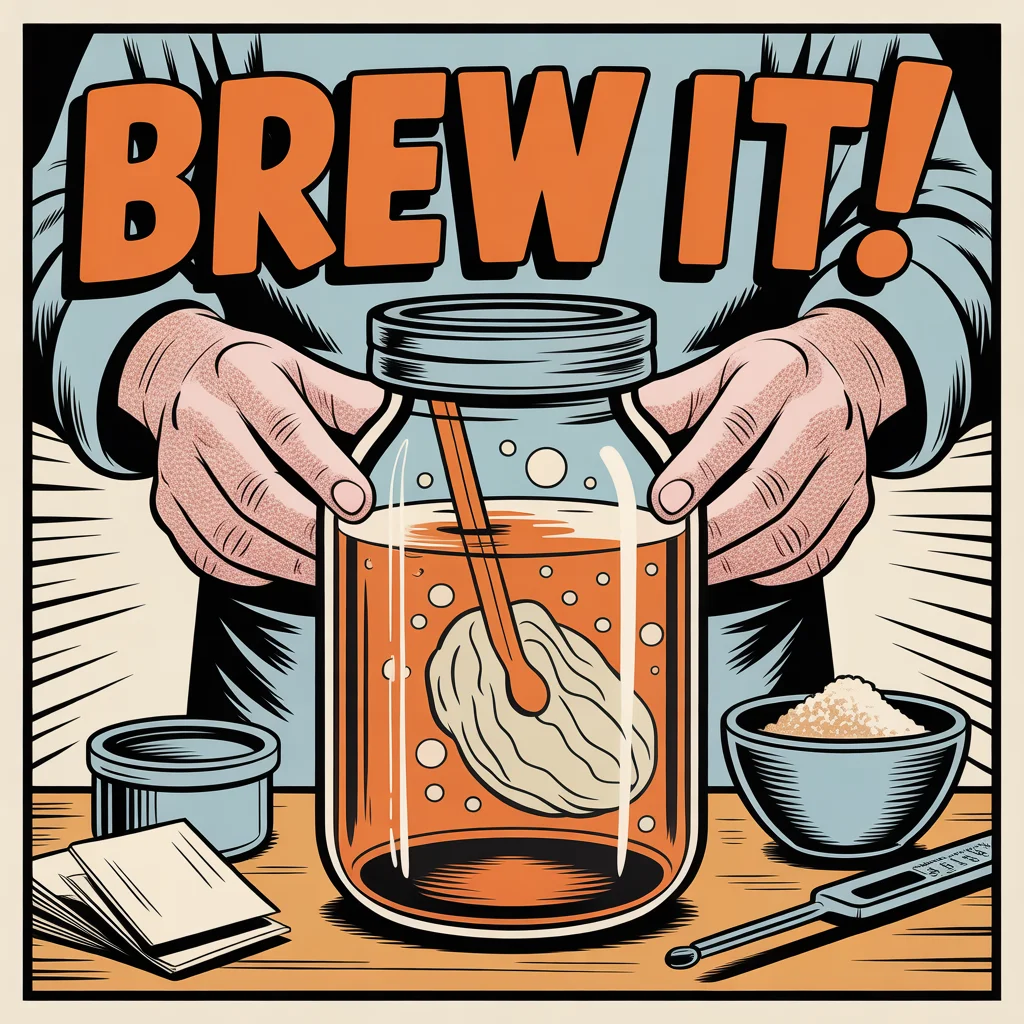
Ready to become a home brewer? Making kombucha at home is rewarding, cost-effective, and easier than you think. This comprehensive guide will walk you through everything you need to know to brew delicious kombucha in India.
Whether you're a complete beginner or have some brewing experience, this guide covers equipment, the complete brewing process, troubleshooting common problems, and where to source your supplies in India.
Equipment You'll Need
Good news: brewing kombucha doesn't require expensive equipment. Here's what you need to get started:
Large Glass Jar (4 liters)
Wide-mouth jar is essential. Avoid plastic or metal which can react with the acidic kombucha. A wide opening allows the SCOBY to breathe and makes handling easier.
Breathable Cloth Cover
Cotton cloth, muslin, or coffee filter. Must allow airflow while keeping out dust, flies, and fruit flies. Cheesecloth is too loose - tiny insects can get through.
Rubber Band or String
To secure the cloth cover tightly around the jar opening. Must be snug enough that nothing can crawl in.
Glass Bottles with Tight Lids
For second fermentation and storage. Swing-top bottles work great. Recycled glass bottles with screw caps work too. Avoid plastic.
Stainless Steel Pot
For boiling water and brewing tea. Large enough to hold 4+ liters. Stainless steel is safe; avoid aluminum or non-stick coatings.
Plastic or Wooden Spoon
For stirring. Metal spoons are fine for brief contact (stirring sugar), but avoid prolonged metal contact with the SCOBY.
pH Strips (Optional but Recommended)
To test acidity levels. Finished kombucha should be pH 2.5-3.5. Available at pharmacy stores or online.
Funnel (Optional)
Makes bottling easier and less messy. Plastic or stainless steel.
Ingredients
Kombucha requires just four simple ingredients:
- SCOBY with Starter Tea: The living culture that transforms tea into kombucha. You'll need about 1-2 cups of starter tea (mature kombucha) along with the SCOBY. Learn more about what a SCOBY is and how it works.
- Tea: Black tea, green tea, or a combination. Use plain tea without added flavors or oils. 4-6 tea bags or 4 tablespoons loose leaf tea per 4 liters.
- Sugar: Plain white sugar works best. The SCOBY needs it for fermentation - don't try to substitute with honey, jaggery, or artificial sweeteners for your first batches. 1 cup (200g) per 4 liters.
- Water: Filtered or boiled water. Chlorine can harm the SCOBY, so let tap water sit out overnight or use filtered water.
First Fermentation: Step-by-Step
The first fermentation is where the magic happens. This is when sweet tea transforms into tangy, probiotic-rich kombucha. Here's the detailed process:
Boil Water and Steep Tea
Bring 1 liter of water to a boil. Remove from heat and add tea bags or loose tea. Steep for 10-15 minutes for maximum flavor and beneficial compounds. Remove tea bags/strain loose tea.
Tip: Longer steeping = stronger tea = more complex kombucha flavor
Dissolve Sugar
While the tea is still hot, add 1 cup (200g) of white sugar. Stir until completely dissolved. The sugar is food for the SCOBY - don't worry, most of it gets consumed during fermentation!
Don't skip the sugar: The SCOBY needs it to produce organic acids and probiotics
Add Remaining Water and Cool
Pour the sweet tea concentrate into your brewing jar. Add remaining filtered water (about 2.5 liters) to reach about 3.5 liters total. Let it cool to room temperature (25-30°C). This is crucial - hot liquid will kill your SCOBY!
Speed tip: Use cold filtered water to cool the tea faster
Add SCOBY and Starter Tea
Once cooled, add 1-2 cups of starter tea (mature kombucha from a previous batch). This acidifies the tea immediately, protecting it from harmful bacteria. Gently place your SCOBY on top - it may sink or float sideways, both are normal!
No starter tea? Use 2 tablespoons of distilled white vinegar as a substitute for your first batch only
Cover and Store
Cover the jar with breathable cloth and secure with a rubber band. The SCOBY needs oxygen to work! Store in a warm (22-30°C), dark place away from direct sunlight. A kitchen cupboard or corner works well.
Indian summer tip: If room temperature exceeds 35°C, fermentation speeds up significantly - check earlier!
Wait and Taste
Leave undisturbed for 7-14 days. A new SCOBY layer will form on top (this is good!). Start tasting around day 7 using a clean straw or spoon. The kombucha is ready when it's pleasantly tangy - not too sweet, not too vinegary.
Taste guide: Too sweet = needs more time | Too vinegary = went too long (still safe, just strong!)
First Fermentation Timeline
- Days 1-3: Not much visible change. SCOBY adjusting to new tea.
- Days 4-6: New SCOBY layer forming on surface. Slight bubbling.
- Days 7-10: Sweet-tart balance. Good time to taste daily.
- Days 11-14: More vinegary. Best for those who like it tangy.
- Day 14+: Getting quite sour. Still safe but very strong.
For more details on the fermentation process, check out our guide on how kombucha is made.
Second Fermentation: Adding Flavor and Fizz
Second fermentation (F2) is optional but highly recommended! This is where you add flavors and develop natural carbonation.
Remove SCOBY and Reserve Starter
With clean hands, gently remove the SCOBY and place it in a clean container with 1-2 cups of finished kombucha (this becomes your starter for the next batch). The SCOBY can be stored in this "hotel" at room temperature for weeks.
Add Flavorings to Bottles
Add your chosen flavorings directly to bottles before filling with kombucha. Some popular options:
- Ginger: 1-2 tbsp fresh grated ginger per 500ml
- Fruit: 2-3 tbsp fresh or frozen fruit per 500ml
- Fruit juice: 10-20% juice to kombucha ratio
- Herbs: Fresh mint, tulsi, or rosemary sprigs
- Spices: Cardamom, cinnamon sticks, or whole cloves
Fill Bottles
Pour kombucha into bottles using a funnel, leaving about 2 inches (5cm) of headspace at the top. This space is needed for CO2 buildup. Seal bottles tightly - airtight seal is essential for carbonation!
Ferment at Room Temperature
Leave sealed bottles at room temperature for 2-4 days. The remaining yeasts will consume the fruit sugars and produce CO2, creating natural fizz. In hot Indian weather, this can happen faster - check after 1-2 days!
Burp tip: Open bottles briefly once daily to release excess pressure and prevent explosions
Refrigerate and Enjoy
Once desired carbonation is reached, move bottles to the refrigerator. Cold temperatures slow fermentation and preserve the fizz. Your homemade kombucha is ready to enjoy!
Learn more about proper storage in our kombucha storage guide.
Troubleshooting Common Problems
Don't panic! Most kombucha problems have simple solutions:
SCOBY Sinks to the Bottom
Is this a problem? No! A sinking SCOBY is perfectly normal, especially when starting a new batch. A new SCOBY layer will form on the surface. The position doesn't affect fermentation quality.
Brown Stringy Bits Floating
Is this a problem? No! These are yeast strands - a normal and healthy part of kombucha fermentation. They're full of B vitamins. You can strain them out before drinking if the texture bothers you.
No Bubbles or Carbonation
Solutions: First fermentation isn't supposed to be fizzy. For F2: ensure bottles are truly airtight, add a pinch of sugar or more fruit, ferment longer, or check that your environment isn't too cold.
Kombucha is Too Sour/Vinegary
Solutions: It fermented too long - start tasting earlier next time. Very sour kombucha is still safe; use it as starter tea for next batch, as salad dressing, or dilute with juice. In hot weather, fermentation speeds up!
Kombucha is Still Sweet After 14 Days
Solutions: Temperature might be too cold (below 20°C slows fermentation). Move to a warmer spot. Your SCOBY might be weak - get a fresh one. Ensure you used enough starter tea.
Fuzzy Mold on Top (White, Green, Black)
Is this a problem? YES! Mold looks fuzzy/furry and usually appears in colored patches (green, black, white, blue). It grows on TOP of the liquid, not submerged. If you see mold, discard EVERYTHING - the SCOBY, the liquid, and start fresh with a new SCOBY.
Fruit Flies Around the Jar
Solutions: Your cloth cover is too loose or has holes. Use tighter-weave fabric. Fruit flies are attracted to fermentation - a tight cover is essential. If flies got into your brew, discard and start over.
Safety Tips for Home Brewing
Kombucha has been safely brewed at home for centuries. Follow these guidelines to ensure safe brewing:
- Always sanitize equipment: Wash jars and utensils with hot soapy water. Rinse well - soap residue can harm the SCOBY.
- Use starter tea: The acidic starter protects against harmful bacteria. Never skip it!
- Maintain proper pH: Finished kombucha should be pH 2.5-3.5. Use pH strips to check.
- Keep away from contaminants: Don't brew near garbage, compost, or other ferments. Avoid smoking near your brew.
- Watch for mold: Fuzzy patches = mold = discard everything. No exceptions.
- Start slow: If new to kombucha, start with small amounts (100-200ml daily) to let your body adjust.
- Don't brew in metal containers: Acidic kombucha can react with metal and leach harmful compounds.
- Pregnant/nursing women and those with compromised immune systems: Consult a doctor before drinking homemade kombucha.
Where to Get SCOBY in India
Finding a SCOBY in India has become much easier. Here are your options:
Online Marketplaces
- Amazon India: Search for "kombucha SCOBY" - multiple sellers offer SCOBYs with starter tea
- Flipkart: Also has SCOBY sellers, though selection varies
- Speciality health stores: Sites like Natureland, BigBasket sometimes stock SCOBYs
Local Sources
- Health food stores: Some organic stores in metros stock SCOBYs or can order them
- Kombucha brands: Some small-batch brewers sell SCOBYs - check local farmers markets
- Facebook groups: Search for "Kombucha India" or "Fermentation India" - members often share or sell SCOBYs
- Friends who brew: SCOBYs multiply! Ask around - someone might gift you one
Grow Your Own SCOBY
You can grow a SCOBY from a bottle of raw, unpasteurized kombucha:
- Buy a bottle of unflavored, raw kombucha (not pasteurized)
- Pour into a glass jar, cover with cloth
- Add 1 cup of sweet tea (cooled)
- Wait 2-4 weeks - a SCOBY will form on top
- Once it's about 0.5cm thick, use it to brew!
Frequently Asked Questions
How long does it take to brew kombucha at home?
The complete process takes 9-18 days. First fermentation takes 7-14 days depending on temperature and taste preference. Second fermentation (for carbonation and flavoring) takes an additional 2-4 days. In Indian summers, fermentation is faster!
Is it safe to brew kombucha at home?
Yes! Home brewing is safe when you follow proper hygiene practices. Millions of people worldwide brew at home safely. The acidic environment (pH below 4.5) naturally inhibits harmful bacteria. Just watch for mold, use starter tea, and trust your senses.
What temperature is best for brewing kombucha in India?
Kombucha ferments best between 22-30°C (72-86°F). Indian summers (above 30°C) speed up fermentation - check and taste more frequently. In winter or AC rooms, fermentation may slow down, requiring longer brewing times or a warmer spot.
Can I use jaggery or honey instead of sugar?
For beginners, stick to plain white sugar - it's what the SCOBY is adapted to. Once you're experienced, you can experiment with raw cane sugar. Honey has antimicrobial properties that can harm the SCOBY. Jaggery may introduce unwanted bacteria. Master the basics first!
How much does home brewing cost?
Initial setup costs Rs 500-1000 (jar, bottles, cloth, SCOBY). Each 4-liter batch costs about Rs 50-80 (tea and sugar). Compared to buying kombucha at Rs 150-300 per bottle, home brewing pays for itself within a few batches!
Not Ready to DIY? We've Got You Covered!
Home brewing is rewarding, but it's not for everyone. It requires time, patience, and attention. If you'd rather skip the 2-week wait and enjoy perfectly crafted kombucha right now, we understand!
At Scoby Doo, we've spent years perfecting our brewing process. Every batch is made with love in Amravati using premium tea, organic sugar, and our carefully maintained mother SCOBY culture. We handle the brewing so you can simply enjoy.
Skip the Wait - Order Scoby Doo!
Get craft kombucha delivered to your doorstep. Perfectly fermented, naturally carbonated, and available in delicious flavors like Ginger Zinger, Apple Pop, and Guava Chilli.
Shop Scoby Doo NowContinue Learning
Expand your kombucha knowledge with these related articles:
- What is a SCOBY? The Heart of Kombucha Explained
- How Kombucha is Made: Complete Brewing Process
- How to Store Kombucha: Complete Guide
- Ultimate Guide to Kombucha in India
Happy brewing! And remember - whether you brew at home or buy from us, you're making a healthy choice for your gut.