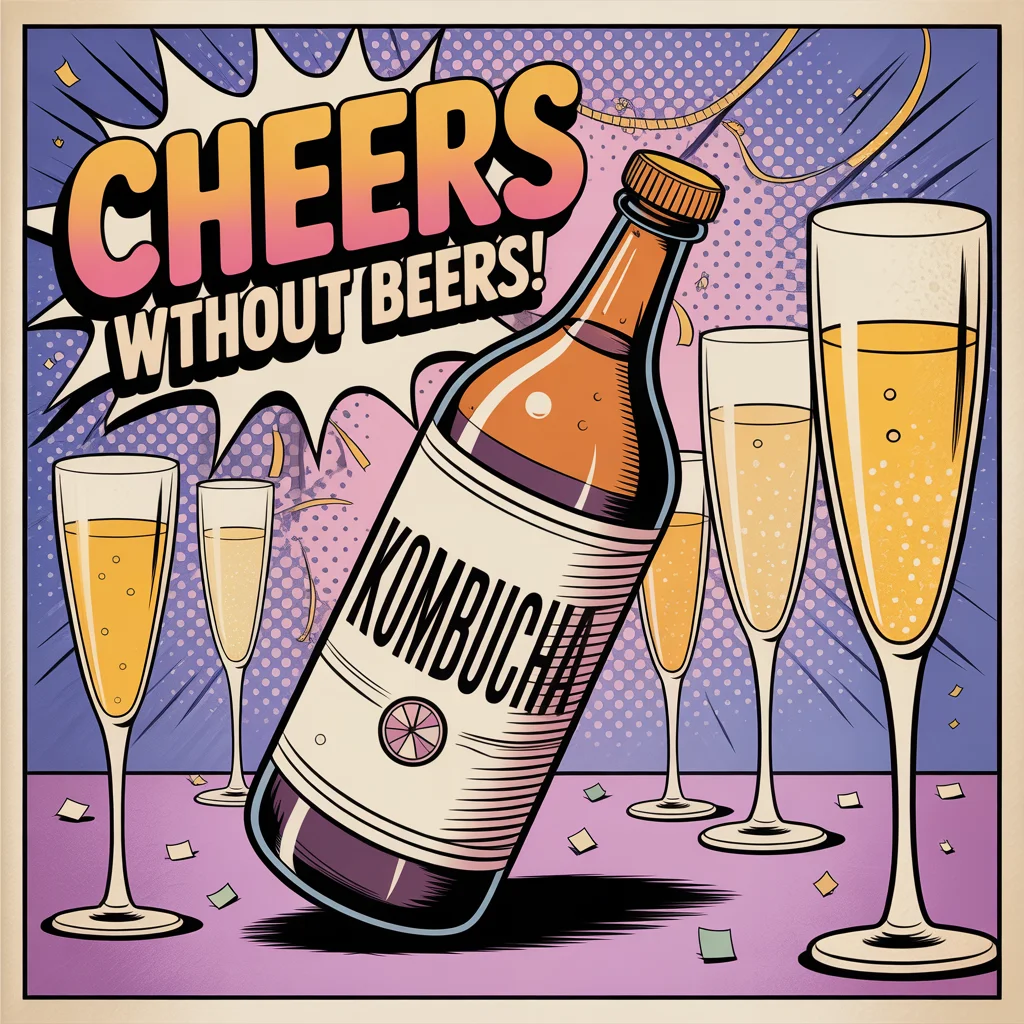
January. A month of new beginnings, resolutions, and increasingly in India - a month of rethinking our relationship with alcohol. Dry January and the sober curious movement are gaining momentum among urban Indians, and for good reason.
35%
Of millennials globally are now identifying as "sober curious" - questioning default drinking culture
What is Dry January?
Dry January is a public health campaign that challenges people to abstain from alcohol for the entire month of January. Started in the UK in 2013, it has since become a global movement with millions of participants.
The concept is simple: take a 31-day break from alcohol after the indulgences of December. No champagne toasts, no weekend beers, no wine with dinner. Just you, discovering what life feels like without alcohol.
The Sober Curious Movement Comes to India
While India has always had a significant teetotal population due to cultural and religious reasons, something new is happening. Young, urban Indians who can drink are choosing not to - or at least, choosing to drink less mindfully.
The "sober curious" movement isn't about complete abstinence or moral judgments. It's about:
- Questioning defaults: "Why do I drink? Is it because I want to or because it's expected?"
- Mindful consumption: Being intentional about when and why you drink
- Health consciousness: Understanding alcohol's impact on fitness, sleep, and mental health
- Social evolution: Proving that socializing doesn't require intoxication
- Career focus: Prioritizing productivity over hangover recovery
Why Indians Are Embracing Dry January
Health Awakening Post-Pandemic
COVID-19 made Indians hyper-aware of health. Many noticed their drinking increased during lockdowns and are now actively course-correcting.
Fitness Culture Boom
With gyms, running clubs, and yoga studios flourishing in Indian cities, people are realizing that alcohol directly undermines their fitness goals.
Mental Health Awareness
As conversations around mental health become less taboo, more Indians recognize alcohol's role in anxiety and depression.
Better Alternatives Exist
Unlike a decade ago, Indians now have access to sophisticated non-alcoholic options like craft kombucha, artisan sodas, and alcohol-free spirits.
Kombucha: The Sophisticated Alcohol Alternative
Here's why kombucha has become the drink of choice for the sober curious crowd:
- Complexity: The tangy, effervescent profile satisfies the palate that craves "something interesting"
- Social acceptability: Holding a kombucha bottle at a party looks as natural as holding a beer
- Ritual replacement: The act of opening a bottle, pouring into a glass, and sipping can replace drinking rituals
- Actual health benefits: Unlike alcohol, kombucha supports gut health and provides probiotics
- Trace alcohol: Contains minimal alcohol (under 0.5%), satisfying some psychological cravings
Learn more about what kombucha is and how it's made.
The Kombucha Advantage
Unlike alcohol which depletes your body, kombucha actually adds value:
- Probiotics for gut health
- Antioxidants from tea
- B vitamins for energy
- No hangover, ever
Sophisticated Kombucha Mocktails for Dry January
Missing your evening cocktail ritual? These kombucha mocktails deliver sophistication without alcohol:
The Mumbai Mule (Alcohol-Free)
Inspired by: Moscow Mule
Ingredients:
- 200ml Scoby Doo Ginger Zinger kombucha
- Juice of half a lime
- Dash of Angostura bitters (optional - very low alcohol)
- Fresh ginger slice
- Ice cubes
- Copper mug for authentic presentation
Method: Fill copper mug with ice. Add lime juice, then slowly pour kombucha. Garnish with ginger slice and lime wheel. The ginger kombucha provides the same kick as ginger beer!
Kombucha Sangria (Zero Proof)
Inspired by: Traditional Sangria
Ingredients:
- 500ml Scoby Doo kombucha (any flavor)
- 200ml fresh orange juice
- Sliced oranges, apples, and grapes
- Fresh mint
- 1 cinnamon stick
- Ice cubes
Method: Combine fruits and cinnamon in a pitcher. Add orange juice and let sit for 30 minutes. Add kombucha and ice just before serving. Perfect for hosting!
The Bangalore Fizz
Inspired by: Gin Fizz
Ingredients:
- 150ml Scoby Doo Original kombucha
- 30ml fresh lemon juice
- 1 tsp sugar syrup (or skip for less sweetness)
- Fresh rosemary sprig
- Ice cubes
Method: Shake lemon juice and sugar syrup with ice (if using). Strain into a tall glass with ice. Top with kombucha. Garnish with rosemary. Light, refreshing, sophisticated.
Spiced Kombucha Toddy
Inspired by: Hot Toddy (served cold)
Ingredients:
- 200ml Scoby Doo Ginger Zinger
- 1 tbsp honey
- Juice of half a lemon
- Pinch of cinnamon
- Star anise for garnish
Method: Dissolve honey in a splash of warm water. Let cool. Add to glass with lemon juice. Top with cold kombucha. Garnish with star anise. Winter warmth without the whiskey!
Find more creative drink ideas on our recipes page.
Other Alcohol-Free Options in India
Building a complete arsenal of alternatives helps you succeed:
- Craft kombucha: Scoby Doo and other artisan brands
- Artisan sodas: Small-batch, low-sugar options
- Sparkling water: With fresh lime and bitters
- Cold-pressed juices: For the health-conscious
- Masala chaas: Traditional and probiotic
- Herbal teas: Hot or iced
- Alcohol-free spirits: Now available in Indian metros
Navigating Social Situations
The hardest part of Dry January isn't the physical craving - it's the social pressure. Here's how to handle common scenarios:
At House Parties
- Bring your own kombucha - enough to share
- Offer to be the designated driver (instant respect)
- Have a simple response ready: "I'm doing Dry January" - no further explanation needed
At Bars and Restaurants
- Many upscale bars now have mocktail menus - ask!
- Order kombucha if available, or sparkling water with lime
- Focus on the food - Indian cuisine is incredible without alcohol
At Work Events
- Hold a glass of something - it stops people from offering drinks
- Network genuinely - you'll remember names better sober
- Leave when you're ready - no need to match others' drinking pace
With Family
- Indian families often appreciate non-drinkers - use this to your advantage
- Offer to make mocktails for everyone - be the host within the host
Benefits You'll Experience
What can you expect from 31 days without alcohol?
- Week 1: Better sleep quality, more morning energy
- Week 2: Clearer skin, reduced bloating, stable mood
- Week 3: Improved focus, better workout recovery
- Week 4: Reassessed relationship with alcohol, new habits formed
Many people also report significant savings - alcohol is expensive in India!
Beyond January: The Mindful Drinking Path
Dry January isn't about never drinking again. It's about resetting your relationship with alcohol. After January, you might:
- Continue abstaining - you enjoyed it!
- Drink less frequently - weekends only, or special occasions
- Drink more mindfully - savoring quality over quantity
- Always have alternatives - kombucha at home for non-drinking nights
The 80/20 Approach
Many mindful drinkers adopt an 80/20 rule: 80% of social occasions alcohol-free, 20% with mindful consumption. Kombucha becomes the default; alcohol becomes the exception.
Resources for Your Journey
- Apps: Try Dry (official Dry January app), Sunnyside, Reframe
- Communities: r/stopdrinking on Reddit, Sober Curious India Facebook groups
- Books: "Quit Like a Woman" by Holly Whitaker, "This Naked Mind" by Annie Grace
The Bottom Line
Dry January is more than a trend - it's a movement towards more intentional living. In India, where social drinking culture has grown rapidly, the counter-movement of mindful drinking is equally important.
You don't need alcohol to celebrate, socialize, or unwind. With alternatives like craft kombucha, you can enjoy sophisticated drinks that actually make you feel better, not worse.
This January, try something different. Your body, mind, and wallet will thank you.
Make Dry January Delicious with Scoby Doo!
Stock up on Scoby Doo kombucha for your alcohol-free January. Craft-brewed in Amravati, our kombucha makes sophisticated mocktails and satisfying solo drinks.
Shop Alcohol-Free Alternatives