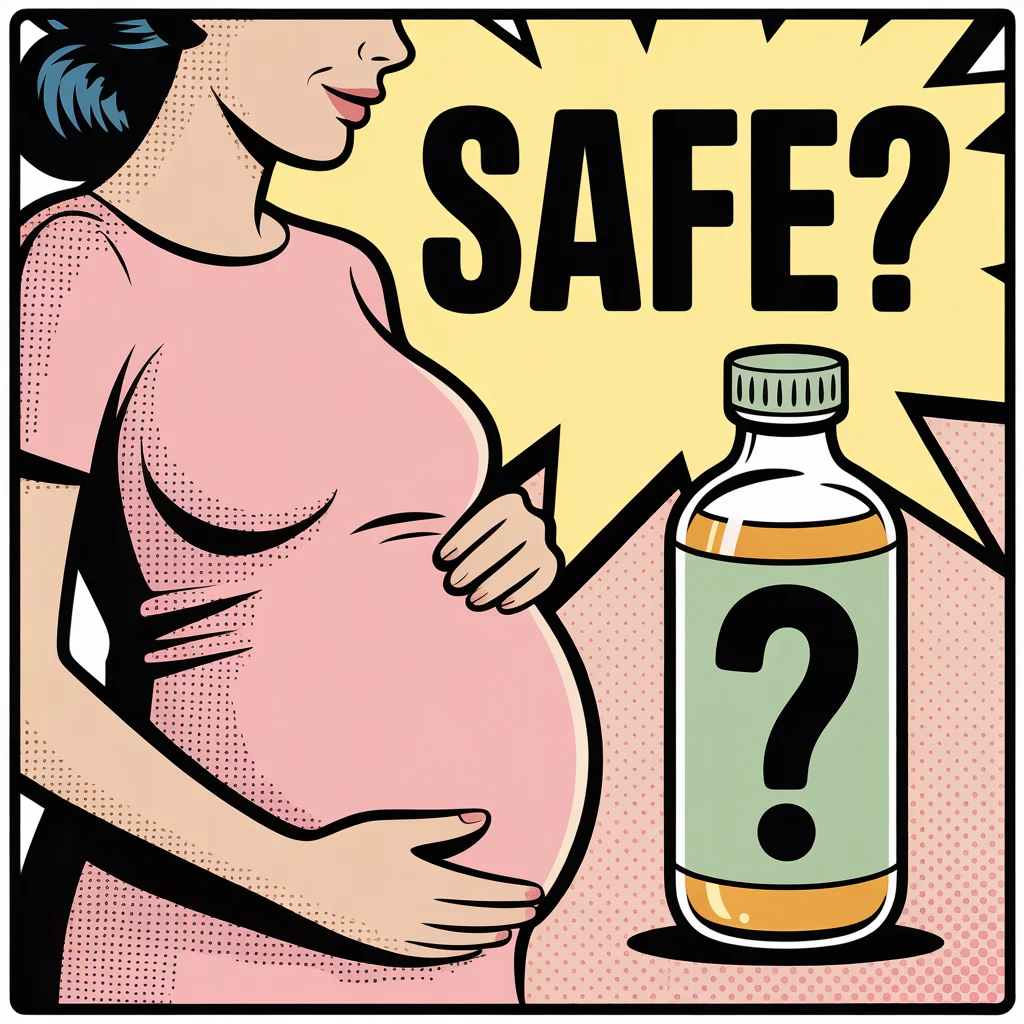
Important Medical Disclaimer
This article is for informational purposes only. Always consult your OB-GYN, midwife, or healthcare provider before consuming kombucha or any fermented beverages during pregnancy or breastfeeding. Your doctor knows your specific situation best.
Pregnancy cravings can be strong, and if you're a kombucha lover, you might be wondering whether you can continue enjoying it. The short answer from most healthcare providers: it's best to avoid or limit kombucha during pregnancy. Here's why.
The Main Concerns with Kombucha During Pregnancy
There are three primary reasons healthcare providers advise caution:
1. Alcohol Content
All kombucha contains some alcohol as a natural byproduct of fermentation. While commercial kombucha is typically under 0.5% ABV (legally non-alcoholic), this is still a concern during pregnancy.
- Commercial kombucha: Usually 0.2-0.5% ABV
- Home-brewed kombucha: Can reach 1-3% ABV or higher
- Improperly stored kombucha: Alcohol can increase over time
During pregnancy, there is no known safe level of alcohol consumption. While the trace amounts in kombucha are very small, most doctors take a "better safe than sorry" approach.
Perspective on Alcohol Content
The alcohol in kombucha (0.5% or less) is comparable to what's found naturally in ripe bananas, bread, or soy sauce. However, pregnancy guidelines are particularly cautious, and many doctors recommend avoiding even these trace amounts.
2. Caffeine Content
Kombucha is made from tea, which means it contains caffeine. While fermentation reduces caffeine somewhat, a typical 250ml serving still contains:
- Black tea kombucha: 15-30mg caffeine
- Green tea kombucha: 10-20mg caffeine
- Comparison: A cup of coffee has 95-200mg
Most guidelines recommend pregnant women limit caffeine to 200mg daily. While kombucha's caffeine is relatively low, it adds to your daily intake from other sources like tea, coffee, or chocolate.
3. Unpasteurized/Live Bacteria
Most quality kombucha is unpasteurized to preserve its probiotic benefits. However, during pregnancy, unpasteurized products carry a higher risk:
- Potential for harmful bacteria if not properly made
- Pregnant women have lowered immune function
- Foodborne illness can be more dangerous during pregnancy
What Doctors and OB-GYNs Say
Here's the general medical consensus:
Most Common Medical Advice
"While kombucha is generally safe for healthy adults, pregnant women should avoid it or consult their healthcare provider. The combination of trace alcohol, caffeine, and unpasteurized nature makes it a beverage best saved for after pregnancy and breastfeeding."
Why Doctors Are Cautious
- No studies on kombucha and pregnancy: There's limited research specifically on kombucha consumption during pregnancy
- Variable product quality: Alcohol content can vary between brands and batches
- Risk vs. benefit: The benefits don't outweigh the potential risks during this critical time
- Many alternatives exist: Safer probiotic options are available
Pasteurized vs. Unpasteurized Kombucha
Some wonder if pasteurized kombucha is a safer option:
Pasteurized Kombucha
- Heat treatment kills bacteria (good and bad)
- May have lower alcohol content
- Eliminates probiotic benefits (the main reason to drink it)
- Still contains caffeine and acids
- Relatively rare in the market
Unpasteurized Kombucha (Most Common)
- Contains live probiotics
- Variable alcohol content
- Higher risk for pregnant women
- What Scoby Doo and most craft brands produce
Our honest recommendation: Even pasteurized kombucha isn't definitively safe during pregnancy. If you're pregnant and craving fermented beverages, consult your doctor and consider the alternatives below.
Safer Alternatives During Pregnancy
Want probiotic benefits without the concerns? Try these:
Doctor-Approved Alternatives
- Pasteurized probiotic yogurt: Safe, effective probiotic source
- Pasteurized kefir: Similar benefits to kombucha
- Sparkling water with lemon/ginger: Satisfies the fizzy craving
- Fresh coconut water: Hydrating and refreshing
- Nimbu pani: Traditional, safe, and satisfying
- Pasteurized buttermilk (chaas): Probiotic-rich and traditional
- Pregnancy-safe probiotic supplements: Ask your doctor
Making Your Own Safe Probiotic Drinks
Try these pregnancy-safe recipes:
- Ginger sparkling water: Fresh ginger + sparkling water + lemon
- Mint lassi: Pasteurized yogurt + mint + cumin
- Coconut water mocktail: Coconut water + lime + mint
Breastfeeding and Kombucha
The concerns during breastfeeding are somewhat different:
Key Considerations
- Alcohol passes into breast milk: Trace amounts may transfer
- Caffeine passes into breast milk: Can affect baby's sleep
- Baby's gut is developing: May be sensitive to new bacteria
What Most Lactation Consultants Say
The breastfeeding period is generally considered lower risk than pregnancy. Many healthcare providers suggest:
- Wait until breastfeeding is well-established (6-8 weeks minimum)
- Start with very small amounts (60-100ml)
- Observe baby for any reactions
- Avoid if baby is sensitive or has colic
- Time consumption right after nursing, not before
Always Consult Your Pediatrician
Every baby is different. Before consuming kombucha while breastfeeding, discuss it with your pediatrician, especially if your baby has any health concerns or sensitivities.
If You Choose to Drink Kombucha (With Doctor Approval)
If your healthcare provider approves occasional kombucha consumption:
- Choose commercial brands: More consistent alcohol levels
- Check the label: Verify alcohol content is under 0.5%
- Limit quantity: Maximum 100ml occasionally
- Avoid home-brewed: Alcohol content is unpredictable
- Keep it cold: Proper refrigeration prevents further fermentation
- Listen to your body: Stop if you experience any discomfort
Frequently Asked Questions
Is kombucha safe to drink during pregnancy?
Most healthcare providers advise pregnant women to avoid or limit kombucha due to trace alcohol content, caffeine, and unpasteurized nature. While amounts are small, the "better safe than sorry" approach is generally recommended. Always consult your OB-GYN.
How much alcohol is in kombucha?
Commercial kombucha typically contains less than 0.5% ABV, which is legally non-alcoholic. This is similar to trace alcohol found in ripe bananas or bread. However, home-brewed or improperly stored kombucha can have higher levels (1-3% or more).
Can I drink pasteurized kombucha while pregnant?
Pasteurized kombucha eliminates concerns about live bacteria but also removes probiotic benefits. It still contains caffeine and acids. Pasteurized versions are rare. Consult your doctor before consuming any kombucha during pregnancy.
Is kombucha safe while breastfeeding?
Concerns are less stringent than pregnancy, but caution is still advised. Trace alcohol and caffeine can pass into breast milk. Many doctors suggest waiting until baby is older and breastfeeding is well-established, then trying small amounts. Consult your pediatrician.
What are safer alternatives to kombucha during pregnancy?
Pregnant women can try: pasteurized probiotic yogurt or kefir, sparkling water with fresh lemon or ginger, coconut water, fresh nimbu pani, pasteurized buttermilk (chaas), or pregnancy-safe probiotic supplements (with doctor approval).
Related Articles
- Kombucha Side Effects: Who Should Avoid It?
- Kombucha for Gut Health: Probiotic Benefits
- What is Kombucha? Complete Guide
- Can Children Drink Kombucha?
The Bottom Line
We love kombucha at Scoby Doo, but we also believe in honest, responsible guidance. During pregnancy, it's best to avoid kombucha or only consume it with explicit approval from your healthcare provider.
The good news? Pregnancy is temporary, and plenty of delicious alternatives can satisfy your cravings for tangy, fizzy drinks. Once you've delivered and (if applicable) finished breastfeeding, you can return to enjoying kombucha worry-free.
Scoby Doo Will Be Here When You're Ready!
After pregnancy and breastfeeding, treat yourself to our delicious craft kombucha. We'll be here with all the probiotic goodness you've been missing!
Explore Our FlavorsMedical Disclaimer: This article is for educational purposes only and should not be considered medical advice. Always consult your OB-GYN, midwife, or healthcare provider before consuming kombucha or making dietary changes during pregnancy or breastfeeding. Every pregnancy is different, and your healthcare provider knows your specific situation best.